Agriculture reflects 10% of US greenhouse gases (GHGs), less than the 13% attributed to the commercial and residential building sector and 23% for all other industries in 2019.[1] It only comprised 5% of total GDP in 2020.[2] However, any single effort within either of those two larger sectors is much more customized to smaller niches within heavy industry and buildings than agriculture. Agriculture has fewer inputs, less complex supply chains, a wider impact internationally, a consumer market that includes everyone on the planet, an existing data ecosystem that is more readily available publicly online, a daily frequency of consumption, a strong potential for growing demand as countries develop, and a faster turn-around supply chain that more easily can be tracked from harvest to consumption. The sector’s contribution to greenhouse gases and its own inordinate use of resources (especially water, arable land) relative to GDP offers a great target for improved sustainability via a social entrepreneurial approach. That industry is also our most immediate consistent need and unites all of humanity.
The current agricultural production system is most held in place by existing government programs that fund and structure various subsidies for conventional farming practices. These subsidies ensure the current levels of over-production, keep consumer food staple prices low, support farmers’ livelihoods, and sustain the yield per acre that has set environmentally unsustainable high standards for productivity. This industrial support has many stakeholders that are entrenched into the current system and major changes in the negotiating power, the distribution of economic benefit, and industry’s farm size structure would be required. Any successful attempt to revamp agriculture requires farmers to be onboard. It would need to provide some economic carrot or stick for farming’s heavy and advance industry to concede to the change in their business prospects. This change would need to be politically popular within the greater rural community that has been politically indoctrinated into sustaining conventional farming as is and keep government out of industry. This is not easy, especially in the Republican Party dominated political landscape that holds political power in the states that produce most of the US’s three major cash crops.
Specialty crops individually take up much less land area than any of the individual three most produced cash crops in the US: corn, wheat, and soybean. Those three products are inputs into many supply chains of livestock feed and consumer product goods. The structure of the agricultural industry for these three crops is comprised of powerful entities including a) larger corporate farms, internationally prominent manufacturers of farming equipment, b) politically powerful suppliers of soil amendments like fertilizer, c) technologically advanced suppliers of agrochemical pest/weed/seed products, d) a consumer and intermediary consumer foods market that is accustomed to using a small percentage of their household budgets on agricultural products and e) health regulations and major contracts for some products dictate that sufficient levels of agrochemicals are used to ensure that disease does not spread. All of these are political, economic, and industrial impediments to changing the status quo of the current dominant mono-agricultural production method.
The benefits of any shift toward more ecologically sustainable farming are defined by adopting more agroecological practices. The inherently unstandardized nature of agroecological practices makes it difficult to promote at scale a customized method of farming that requires direct experience with a specific farming region over time. At certain points in the transition agroecology requires more labor and more inputs which requires a change in farming protocol. This is in part why agroecological practices have only been scientifically vetted to be more productive than conventional methods per acre on smaller scale farms. A very small percentage of corn, soybean, and wheat are farmed agroecologically or organically. Regenerative and organic farming practices are more widely adopted by specialty crop farming and more prominent in certain regions of the US. The limited growth of USDA certified organic farming has been an issue since the label was established.
Farmers who have already adopted organic or regenerative practices have had an ideological predisposition to it or lived in proximity to successful efforts to disseminate those practices. The distribution channels that support more sustainable farming practices are niche in nature: specialty organic food companies, specialty grocers, smaller organic sections at national chains, community supported agricultural box delivery/pickup services, farmers markets and organic livestock producers.
Free Market Capitalism Will Come Up Short
Farming is a critical part of the US economy that has concentrated itself into an ever-smaller set of increasingly larger participating firms. The unrealistic misguided yet ideal intervention would be none at all, free market capitalism dictates the market to correct itself. Firms would start to acknowledge that the deteriorating conditions of their soil are requiring ever more soil amendments. Additionally, the overall increase in the expense of their operations requires a shift in operations that requires less fertilizer, pesticides, herbicide and different method of farming that regenerates their farmland’s capacity to remain productive over the long term. The conditions in the soil required for sustained agricultural production change over decades not a growing season. The harvest of an individual season will not signal that a change is necessary. However, the Dust Bowl is a precedence of what happens when large masses of land become inarable. We can’t wait nor should we expect capitalism to fix what’s causing these marginally hard to detect changes in the productivity of US working lands.
The ecologically reasonable or environmentally-justified intervention would include the following a) US consumers to agree to start paying more for food that is grown and processed more sustainably; b) large US farmers of cash crop grains begin to experiment with different forms of agroecological practices with the help of universities technical assistance; c) government funding is made available to produce more sustainably; d) a realignment of values of the corporations results from the threats of climate change that make it evident that they invest in the resiliency of their land instead of focusing only on the cost per acre and yield metrics; e) market intermediaries change their contracts to allow for more sustainable farming practices which remain safe from disease; and f) local communities surrounding big agriculture would pressure farms, politicians and other market players to make the preceding changes if there is any resistance.
A Managed Capitalist Intervention
What would most motivate these farmers are market-based conditions that prove that organic production is a profitable systemic alternative to conventional farming. The Federal Government has the biggest incentive to make more working lands resilient to climate change by adopting more sustainable farming practices. “The Federal Government implements a number of programs that help mitigate risk in agriculture, with expenditures on these programs of approximately $120 billion over the past decade. The largest program is the Federal Crop Insurance Program (FCIP), which insures participating farmers against adverse production or market conditions. Under the FCIP, the Federal Government pays a portion of farmers’ premiums; these premium subsidies represent FCIP’s costs to the Government. [… Scenarios] with moderate emissions reductions and farmer adaptation—in which farmers adapt to changes in climate with adjustments to what they plant, where they plant it, and how they manage it—the cost of today’s FCIP would be on average about 3.5 percent higher than under a future with a climate similar to that of the recent past. Under the scenario in which emissions trends continue and farmers adapt, the cost of the FCIP would increase by an average of 22 percent.”[3]
Agroecological farming is an ideal approach that has not been sufficiently uniformly vetted at larger scale. It requires a lot of specific conditions, knowledge, and repeated attempts to successful practice it. USDA organic certified crops are a stepping-stone toward agroecological practices that has already been standardized into a three-year transition process. The expense, documentation, and change in practices required of that transition are significant hurdles that could be overcome with expanded funding of this existing certification program. Automated digital recording of agroecological farming via remote sensors could ease the documentation required of certification. Elementary economics would argue that as a greater percentage of a crop’s farmland becomes organic the price of that organic product should fall. Lower prices would make organic food more affordable to a larger market. This should entice more farms to go organic and subsequently lower prices and so on until a new economic equilibrium is reached between market supply and demand for organic produce.
On the consumer side, organic food simply should not cost more than conventional agricultural products. Conventional farming benefits from heavy federal government subsidies. Organic production of the major three cash crops has already been proven by the USDA to be more profitable than conventional production. That profit margin is shielded by several barriers to entry that the USDA should help to eliminate entirely. Developing the organic market goes hand in hand with developing the organic farming industry. There are pockets of consumers that understand the benefits and importance of buying organic. Efforts to promote organic consumption across wider swaths of US consumers should emphasize the systemic need for organic production and consumption. If more funding, technical support, and education of organic farming were introduced at a national scale the impact would go beyond the economics I’ve explained. Ecologically organic farming is a less intense form of regenerative agriculture. Over the long-term organic farming still repairs the damage of conventional farming. Organic farming isn’t as beneficial as more niche agroecological practices that are certified as regenerative. Regenerative agriculture could become the new higher price point that replaces the price premium that organic produce currently enjoys. Organic and regenerative agriculture both improve soil’s resiliency against the threats of climate change. Resiliency is in part determined by soil’s organic content composition, soil with higher organic content holds larger quantities of water per acre of land, helps to protects against extreme weather events, high or low temperatures, and is positively correlated with better growing conditions.
Critical Elements
All of this leads us to an intervention that might best address this complex transformation and situation. The way the transition is carried out requires strategic on boarding of key stakeholders during earlier stages of the transition before others will be convinced of the approach. The benefits of organic or regenerative farming also require a long enough tenure on the land for the benefits of sustainable farming to take place. Thus, generally the adoption of sustainable farming has occurred on land that is either a) owned and paid for by the farmer or b) leased for at least three years for any continuous period by the same farmer and c) small or mid-sized. These are critical market conditions that need to be reassessed by farmers and landowners who have a shared interest in propagating the health of farmland soil.
Small and large farmers will need different kinds of government support to successfully transition. Short-term large-scale contracts expected by packers and other market intermediaries makes it very difficult for large mono-agricultural farms to switch to more sustainable methods. Farms that have already bought into expensive farming processes that require large swaths of land using a highly mechanized uniform approach that depends on large economies of scale from the incremental use of simplified farming inputs have little financial incentive to overhaul their farming methods.
See it for yourself
If you need to see it to believe that the lowest hanging fruit to defend ourselves against climate change isn’t electric cars, renewable energy, green building, or revamping our factories to be green, NASA delivers that from space! NASA’s Orbiting Carbon Observatory, 2 (OCO-2) provides the most complete dataset tracking the concentration of atmospheric carbon dioxide (CO2), the main driver of climate change. Every day, OCO-2 measures sunlight reflected from Earth’s surface to infer the dry-air column-averaged CO2 mixing ratio and provides around 100,000 cloud-free observations.
What really sets agriculture apart is its potential to remove carbon dioxide (CO2) from the atmosphere and sequester it in soil. The key to “sequestering” or successfully capturing and storing some of the assimilated carbon into the soil depends upon the farmer’s use of carbon-smart best management practices including minimal or no-till systems and the use of cover crops. Tilling happens as a process of preparing the soil to plant crops into it.
The following NASA visualization shows the atmosphere in three dimensions and highlights the accumulation of CO2 during a single calendar year. Every year, the world’s vegetation and oceans absorb about half of human CO2 emissions, providing an incredibly valuable service that has mitigated the rate of accumulation of greenhouse gases in the atmosphere. This happens while crops are growing in the latter half of the year after crops are planted.
The volumetric visualization starts in June 2020, showing all of the model’s values of global CO2. The cloudiness the blocks the view of the earth is an indication, among other things, of the carbon released from the soil when it is tilled as a part of the process of planting crops. The earth becomes more visible as crops and other systemic climate change forces, like oceans, do their part to remove carbon the atmosphere, every year.
The debate surrounding free trade versus fair trade encompasses a wide array of issues that culminate to manifest a potentially very hostile international trade environment for countries in the developing world. First, this paper will introduce an abbreviated historical account of the emergence of the two trade regimes (Fair Trade and Free Trade), the ensuing debate between them and other relevant considerations. Then this paper will attempt to examine this debate by focusing on the experiences of fair and free trade in the production of bananas in order to present a concrete example of the theory that was first presented. Lastly, the conclusion of this paper will also be supported by a brief review of three interrelated trading case studies: first, general trade figures in Costa Rican agricultural production after free trade policy was implemented; second, more recent trends in the demand for international trade of organic agricultural food products; and third, the trading statistics of Latin American countries.
As a response to the financial ruin that many Latin American countries faced after the oil shock of 1979, part of the proposed method of helping these countries to service their debt and restructure their economies was outlined by orthodox neoliberal free trade theory. This theory “promotes that the elimination of trade barriers will offer a combination of static and dynamic gains that permit the introduction of new goods, new technologies, and new production methods [that will allow] the expansion of existing markets and penetration into new markets.”i Furthermore, it was argued that more open economies tend to experience faster rates of total factor productivity growth than those that imposed any restrictions on international trade. Total factor productivity growth are the effects in total output not caused by inputs or productivity; advances in technology and efficiency are the most significant contributors to increased total factor productivity. This was how neoclassical free-trade theory was first proposed to Latin America.
However, free trade’s historical application throughout the international economy is not actually free. At its best the world’s existing free-trade commerce is negotiated through international trade agreements that can bemore appropriately described along the lines of managed trade. Managed trade is characterized by “governments allowing extensive international trade [that also] seek to intervene through tariffs, subsidies, and other polices to make domestic products more attractive at home, to nurture new industries, and to stimulate domes of research and development.”ii Thus the form of “free trade” that any individual country undertakes will depend greatly on the power and influence of political-economic internal and external forces upon that nation’s economy to bargain for favorable terms of trade.
In respect to the viability of actual free trade amongst the emerging countries which may lead to possible subsequent fair trade with the developed world, one of the most important advancements is the emergence of international trade agreements that have fostered greater regional economic integration and cooperation via the establishment of common markets such as NAFTA, EU, MERCOSUR, ASEAN and CACM. These markets could conceivably provide a safe harbor in which free trade can stimulate competition amongst Latin American countries; and possibly eventually develop the properly functioning markets that could later on compete freely with the rest of the world; while also keeping in mind the social, economic, and environmental concerns of participating countries. Ideally, until greater global competition is undertaken by Latin America, fair trade with the outside world could greatly help in building the capacity of these countries to form properly functioning markets.
A comprehensive definition of fair trade can begin by explaining it as a multifaceted approach toward development that economically “incorporates a commitment to equity, implying a commitment not simply to the creation of wealth and the conservation of resources, but their fair distribution.” Fair trade also takes into account “non-economic trading criteria such as ethical dimensions, environmental criteria, and quality of life issues.” It “epitomizes the partnership approach to sustainable development formulated by green researchers and focuses on cooperation, not competitive win/lose relationships, it believes that the developed world must be prepared to transfer both financial resources, new technologies and equal trading principals in business transactions with the less developed world.”iii
Although fair trade offers a possible avenue toward greater economic, social, and political equality, it still must encounter a gauntlet of obstacles toward achieving its goals. The idealistic proposals of fair trade are far from the reality that Latin American agricultural production faces. In addition, further progress in Latin America toward fair trade principles will confront a lot of entrenched international and national interests. It can also be argued that agricultural commodity production also has its limits and should not be the type of development that should be pursued in order to achieve real developmental gains. Other point of views contend that industrial or structural changes in the economy or government institutions are needed to achieve greater efficiency or higher levels of economic growth. However, these arguments do not take into account that “more than two and half billion people depend on commodity production for their livelihood.”iv The great majority of these commodity-dependent people can be found in developing countries.
It is important to note that fair trade does not necessarily present a direct challenge to free trade because it still works within the same dominant political-economic ideology as free trade: that is, democratic market capitalism. In fact, an argument can be made that fair trade serves as a more effective means of meeting market conditions because it incorporates the environmental, social, and economic externality costs inherent in the conventional agricultural production scheme. More specifically, the economic risks that emerging country farmers take on by investing their time, effort and money into producing a single product with a highly variable yield is taken into account into the premium price at which organic fair-trade food products are sold.
However fair trade does complicate the viability of more liberalized markets by requiring more demanding environmental, financial, and social standards for the production and commerce of very important internationally traded commodities. In it is this light that fair trade can be viewed upon as an impediment to a properly functioning market. Classical neoliberal economic ideology can be used to argue that fair trade incorporates costs which do not materially or directly benefit consumers and attaches unnecessary rents to the prices of agricultural commodities.
C.L. Harper explains two ways in which the consideration of environmental concerns complicates the political process of attaining more liberalized trade. The “first is the problem of veto states and veto coalitions,” that may easily arise because “the actual costs and risks of environmental protection are not equally distributed among nations.” The complicated instances that arise when considering the benefits and costs of environmental protection transcend nation boarders and requires consensus on many unprecedented and ill-defined situations. For example, the fact that Canada suffers air pollution created by United States industries blown across the border is a very delicate environmental problem to resolve. How can international pollution be measured in order to understand its costs to another country? Who should pay for the costs of this international infraction? A myriad of very complicated and political charged questions come to mind. It should not be surprising that multiple international trade discussions break down and do not resolve the issues at hand.
The “second kind of difficulty has to do with problems of competition, conflict, and overlapping jurisdictions between public agencies dealing with environmental issues.”v The clash that occurs between these organizations could cancel out their efforts and make them ineffective instead of cooperating toward the same goals. Thus the reconciliation required when considering both fair trade and free trade within the same country, and even more so in the more political and economically complicated sphere of a common market, is definitely a fine, arduous, and complicated task.
Until 1991 there existed three very strong political-economic impediments to cooperation and consensus between and within Latin American governments in negotiating advantageous terms of trade with multi-national corporations, each other or with international finance institutions. First, the political-economic strength of multinational corporations in determining the terms of establishing operations in a country make it significantly difficult for any developing country’s governments to demand human, social, environmental or economic concessions. Secondly, already existing political, economic and class divisions amongst and within Latin American nations did not provide for a strong sense of solidarity against any international economic or political force. Lastly, the economic programs proposed to service debts by organizations like the World Bank, UN and IMF in many cases resulted in governments losing control over their economies’ exchange rates, monetary policy, social services and in some cases public infrastructure, natural resources and other powers or abilities that a state needs in order to govern properly.vi These three reasons culminate to impose huge obstacles to any ideas of a common market or negotiations that would produce advantageous terms of trade for a collective of Latin American countries.
The preceding explanation of fair trade and free trade and the subsequent debate has a historical example in the production of bananas. The experience of the fifth most important agricultural commodity in world trade, the banana, has many important lessons and insights to understanding the plight of fair trade. Banana farming suffers from severe political-economic inequities of international agricultural production. The industry can be characterized by the high external inputs model of conventional agriculture and inequitable primary commodity trade. In 1992, an 18.4 kilogram case of bananas paid only $3.86 to a farmer and then was sold to European wholesalers for around $26. Three firms in 1995 had oligopolistic control over international sales and distribution of bananas.vii During the last 15 years the mobilization of forces against the overwhelming political and economic power that these corporations hold in this industry (Unions, Farmer’ Organizations, NGO’s, International and National Companies, Government and Inter-government Institutions) are important pieces to understanding what the fair trade movement has confronted in banana production.
Unions in the banana context were initially seriously weakened by management-friendly worker association movements called solidarismo. In reaction, Unions took on a process of unification on national levels in order to coordinate a new approach deemed un nuevo sindicalismo (a new trade unionism) in order to counteract solidarismo. Farmers’ Organizations underwent an alliance with a new confederation of Central American small and medium scale farmer’s organization representing over 600,000 producers from fifteen organizations operating in seven countries. NGO’s formed EUROBAN, the European Banana Action network, “to provide information flow and examine the potential for an informal alliance of European NGO’s seeking real solidarity action with the most vulnerable and exploited actors in the banana chain.”viii Another development in the banana market was that international and national companies (specifically Chiquita, Dole and Fyffes) began to free themselves from direct ownership and liability of plantations.
Instead these corporations favored guaranteed supply contracts with medium and large-scale producers in the countries where they used to directly operate plantations. This economic setup ensured that these three powerful companies received the cheap product they demanded while enduring none of the high risks inherit to agricultural production. Governments of banana producing countries have found themselves with limited options to use macro-economic and macro-political tools in order to help this market or any of their markets because key institutional actors, namely the WTO, GATT and the World Bank have gained enormous influence in the macroeconomic sphere of these countries. In addition, outside help from international organizations is also limited in capacity since the arms of the UN, such as at the ILO, International Labor Organization, or the Commission for Sustainable Development (CSD) both suffer from serious institutional weaknesses and a lack of credibility with the most powerful governments of the world. Subsequently, their ability to offer any favorable leverage to any agricultural industry of a developing country falls short of the demands of the political-economic situation.
Banana production provides a much more concrete example of the debate between fair trade and free trade. It is evident that for just one product many interests, organizations, and powers have much at stake in the 8 billion dollars of banana revenues which flow throughout international commerce. With so many different agents working toward conflicting interests, it is in the best interest of fair trade proponents to turn to strategic solutions and further collaboration amongst themselves. This coordination requires great efforts to ensure that various factors come into play. These include first a board-based international network where control and power over the practical evolution of common or coordinated activities is shared as widely as possible among actors (farmers, buyers, etc.) closest to the core of the agricultural production process. Secondly, information flow must be unlimited and accurate between the major organizations involved (in this case, NGO’s, unions and farmer’s organizations). Lastly, transparency of meetings, structures, finances and the collective decision-making process that leads to concerted action must never be compromised by unequal participation.
Subsequently, a logical extension of the conditions and requirements necessary to result in increased coordination and mobilization of pro-fair traders would include aims toward institution building and capacity strengthening. Already, various structures that enable international regional coordination and two new national coordination structures have already emerged. There existed several strategies which governments can take in order to resolve the inherent environmental and economic conflicts between fair trade and free trade paradigms.ix However one of the latent arguments of this paper is that since the implementation of liberalization policy was more historically prevalent and feasible; fair trade proponents resorted to advancing their cause by using more informal non-governmental avenues. This civil mobilization within individual countries and at the international level was fomented to confront the environmental, social, economic and political ramifications necessary for a country to compromise between increased global trade and sustainable development. Costa Rica, one of the main historical producers and exporters of bananas, is a prime example of a country whose participation in the free trade movement offers important lessons and results of the theories found in the debate between these opposing trade regimes.
Costa Rica presents an instance in which free trade theory was implemented as part of an initiative toward increased economic growth and has been shown to have failed.x In particular, the export-led growth hypothesis (ELGH) was tested on data that documents Costa Rican agricultural exportation from the years 1950 to 1997. The ELGH contends that export expansion is one of the main determinants of growth and can in turn perform as an “engine of growth” for an economy. The results of this study revealed that supply side evidence implies that growth was driven by traditional factors of production and, although exports acted as an additional engine of growth, the impact specifically from exports was relatively small in amount and limited in scope. The study affirmed the importance of investment and in particular capital accumulation, but the results expressed serious reservations about the ELGH in general and supports to a less extent the so-called new-fashioned economic wisdom represented by advocates of free trade and the ELGH. Although this case sends good news to fair traders by offering an example in which the free trade argument is defeated, the fact that fair trade is still a form of trade implies that even fair trade agriculture may have its own limits toward significant sustained economic growth. In terms of developmental aims, the results of this ELGH study suggests that fair trade provides a better immediate outcome by virtue of its social, political, and economic accommodations while revealing that in the Costa Rican Case, any emphasis on agricultural exportation and expansion should not be depended on for any significant sustained economic growth.
Even in the face of a conclusion that writes off agricultural trade as the proper industry to focus on for major economic progress, some hope for the fair trade movement can still be found in recent economic trends that describe the demand for fair trade organic products. Another studyxi on the demand for organic food presents very promising rates between 10% and 20%. However, this growth is overshadowed by the fact that at the time of the study, the size of the market for organic food production composed a very small percentage of total agricultural production. This figure was 1-8 % in Europe, only .2% in the US and less than .1% in most developing countries. Estimates of the total sales of organic food production from developing countries are almost $21 billion in 2000. All of these figures represent just how recently this movement has gotten off the ground. Thus the organic trade and fair trade movement have yet to really make an impact on the production of agriculture. The study also points out that Latin America still has a high potential for agricultural production, as it is home to 23% of the world’s arable land and has cultivated only 4.8% of that total land and of that 4.8% only 19% is irrigated. Ultimately all these figures point to the growth potential for organic agricultural production and its implications for the prospects of increased fair trading between Latin America and its partners.
In conclusion, within the context of the arguments presented above by proponents of fair trade and defenders of free trade, the political economic argument constructed in this paper reveals how the discourse surrounding this topic may be interpreted and applied to Latin American organic agricultural production. Working backwards, the major points addressed in this essay are the following:
-The production of and international demand for organic agriculture has an enormous potential for expansion in Latin America.
-If undertaken, this expansion may lead toward an optimistic future for the conversion of agricultural production away from its conventional form and toward more organic and socially responsible production and possibly invite more opportunities for fair trading.
-The historical the case study of Costa Rican agricultural exportation explains that free-trade policy did not produce a leading economic engine for significant economic growth. While this policy implementation cannot conclude the same outcome if fair trade practices were implemented, the relative ineffectiveness of free trade does not imply that there is much hope for the prospects for fair trade since the study concluded that leading engines of economic growth depended upon increasing accumulated capital; not trade.
-Regardless of the prospects of trade as a major economic developmental force, the enormous political and economic obstacles that the fair trade movement combated in the banana industry reflects a serious need for further institution building and capacity expansion. Further political and economic collaboration amongst pro-fair trade partners must continue in order to have any chance at defeating the greater forces that are entrenched against them in the current political economic system.
-For the proponents of fair trade, much has been achieved, yet more still remains for this international development effort to succeed in the debate against them. Thus, within a political economic framework, the debate surrounding free trade and fair presents a complicated, dynamic, and mostly hostile international trade environment for Latin American countries that are attempting to pursue development through the exportation of agricultural products.
i Taylor, R. and A Thorpe. 2001 Trade reform in Central America and the Caribbean: Will liberalization resolve the problem of structural imbalances?
ii IBID
iiiAll quotes from this paragraph are from: C Strong, 1997. The role of fair trade principles within sustainable development. Sustainable Development 5: 1-10
iv TRADE AND DEVELOPMENT BOARD COMMISSION ON TRADE IN GOODS AND SERVICES, AND COMMODITIES First session, Second part Geneva, 19 February 1997
v Taylor, R. and A Thorpe. 2001 Trade reform in Central America and the Caribbean: Will liberalization resolve the problem of structural imbalances?
vi Argument taken from lecture of Political Science 138C, Political Economies of Development, lectured by Kiren Chaudry, Spring 2005, University of California, Berkeley, CA
vii Blauert J Zadek S., Markets as Mediation: Growing Policy From the Grassroots, Smith Alistair Moving Beyond Banana Trade Wars 1993-96 Kumarian Press, 1998
viii IBID
ix Taylor, R. and A Thorpe. 2001 Trade reform in Central America and the Caribbean: Will liberalization resolve the problem ofstructural imbalances?
x All results from this case are from: IS THE EXPORT-LED GROWTH HYPOTHESIS VALID FOR DEVELOPING COUNTRIES? A CASE STUDY OF COSTA RICA by Emilio J. Medina-Smith, UNITED NATIONS CONFERENCE ON TRADE AND DEVELOPMENT, 2001
xi TRADING OPPORTUNITIES FOR ORGANIC FOOD PRODUCTS FROM DEVELOPING COUNTRIES STRENGTHENING RESEARCH AND POLICY-MAKING CAPACITY ON TRADE AND ENVIRONMENT IN DEVELOPING COUNTRIES, United Nations Conference on Trade and Development, January 2004
The sustainable development of a single country, Brazil, in 2021 is an effort incubated in globalization’s cauldron of interdependent systems. The defining events of the beginning of the 21st century have all been exacerbated by a historic chain reaction of interrelated multi-generational consequences. The implications for how emerging industries and economies in middle- and lower-income countries can compete domestically and globally in this complicated ecosystem are significant. For example, the financial crisis of 2008 has revealed that our financial systems are intertwined so much internationally that a global housing crisis in the US or China will impede access to capital that the Global South’s development efforts require[1]. Covid-19’s rapid yet lasting impact in just two years underscores the need for a coordinated system-wide set of solutions to address these types of all-encompassing problems. Climate change’s slow but steady impact follows no boundaries and now requires a system-wide global response across markets, industries, and countries to abate further temperature increase and the resulting negative consequences. This paper touches upon several environmental-related policy responses across industries to present that a holistic coordination of this collective effort is necessary.[2] The following is an analysis of how, before climate change become the world’s pressing disaster, Brazil addressed different climate change-related challenges across strategic economic development-related systems and respective sectors: policymaking, environmental, foreign direct investment, and energy.
Brazil is part of the rapidly growing Global South and one of the BRICS. Governments experiencing faster economic growth are faced with sharper trade-offs when deciding how they steward their economies and design environmentally sound development policies across sectors. Popular public sentiment in a properly functioning market democracy does influence policymaking. A study that explains why environmental awareness is so high in Brazil, confirms that their environmentally friendly public is largely attributed to having an electorate with higher levels of education, no other socioeconomic characteristic has a stronger regression coefficient.[3] Does a Brazilian education confer any special focus on environmentalism? Or is the long-term nature and complicated science behind climate change so vast that it does require understanding a combination of advanced topics in economics, math, statistics, public policy, earth science, energy, and agriculture to be convinced that climate change is an urgent problem that requires an international government-led response. Unfortunately, the following course of events shows an environmentally friendly public isn’t sufficient for Brazil to “stay the green course”. Nonetheless, this finding bears an important political facet about Brazil, it has an electorate that has long supported environmentalism[4]. While this is only a single factor and doesn’t explain Brazil’s long history of environmentally-focused public policy decision-making, different trends have emerged among the BRICS which have developed more or less responsibly.[5]
Emerging democratic market economy policymakers who sustainably develop a country’s resources to continue its economic growth benefit from influential political factors like the public’s support for long-term sustainable economic development. Environmental considerations pervade across important development policy decisions like how an economy produces a critical factor of production: electricity. Since the 1970’s Brazil’s largest single energy production source has been hydroelectric energy generation and currently stands at 70% of their electrical generation.[6] The development of hydroelectric dams requires suitable rivers to reliably generate energy. Though Brazil is home to noteworthy river systems, a 2015 comprehensive review of the global potential for hydro-generated electricity ascribes a greater potential to Russia (2401, ranked #1), China (2329, ranked #2), and India (387, ranked #9) than to Brazil, 319 (ranked #12)[7]. Indicating that Russia, China, and India all have the natural resources to add more renewable production than is currently built in their respective countries when compared to Brazil’s installed base of hydroelectric dams.
Instead during the same period these three BRICS countries developed coal-based electricity generation. Coal-fueled energy production increased in Russia by 45% from 7.25 quadrillion BTUs (quad BTUs) in 2008 to 10.51 quad BTUs in 2019 to compose 16% of their energy portfolio. Coal-fueled energy production increased in India by 35% from 8.10 quad BTUs in 2008 to 10.94 quad BTUs in 2019 to compose 64% of their energy portfolio. And in China coal-fueled energy production increased by 37% from 64.66 quad BTUs in 2008 to 88.44 quad BTUs in 2019 to compose 71% of their energy portfolio. Coal-fueled energy production increased in South Africa by .4% from 5.54 quadrillion BTUs (quad BTUs) in 2008 to 5.56 quad BTUs in 2019 to compose 95% of their energy portfolio. Meanwhile Brazil decreased its coal-fueled energy production by 14% to .09 quadrillion BTUs which composes 1% of their energy portfolio.6
As of 2016, there also were Brazilian states like Minas Gerais with lower hydroelectric production proportions and where hydroelectric power generation had “almost been exploited to its maximum [and was] highly vulnerable to droughts, such as the ones the state [was] experiencing. Due to the lack of precipitation and investment in the sector, the use of power plants based on fossil fuels increased considerably” leading up to 2016.[8] As of 2008, before the world reacted more urgently to climate change, 50% of Brazil’s consumed electricity did not depend on fossil fuels. Then in that same year Brazil discovered over 8 billion barrels in a new oil field which may change its status to become a significant global oil exporter[9]. While this hasn’t come to pass yet, since the 2008 discovery of the Tupi fields, Brazil’s daily petroleum production in 2019 has grown by 1,337 thousand barrels a day (Mb/d); more than the daily increases in Russia (+685 Mb/d) and China (+621 Mb/d) combined.[10] During the same period, Brazil’s renewable portion of its energy consumed decreased from 50% in 2008 to 44% in 2019. Brazil’s energy consumption trend is less environmentally sound than its renewable-laden energy production capacity. Even so, Brazil’s overall annual production of fossil fuels dependent energy is still only 56% percent of its total production while Russia (94%), India (80%), China (83%), South Africa (96%) are much higher.7
The negative consequences of pursuing dirty energy development have already been measured in Russia, India, China, and South Africa by the World Economic Forum.[11] “BRICS countries have largely upheld policies to ensure affordability of energy to drive competitiveness in industry. Industry growth has been the primary driver of energy demand in countries like China, where industry accounted for nearly 50% of final energy consumption in 2012. These policies have, to some extent, been to the detriment of the environmental sustainability of the energy systems that developed as a consequence. In response to growing environmental concerns, both China and India have set a range of targets to reduce the energy intensity of their economies and improve their climate metrics.”[12] Much of Brazil’s electricity is supplied through hydroelectric production. However, dam building in Brazil is not an ideal single solution for producing energy since it has negative consequences for indigenous people and the environment.[13] This quick comparison of the BRIC’s different energy production and consumption trajectories highlights the different repercussions on their climate change policy options. While Brazil is growing its oil production and compromising its environmental leadership the rest of the BRICS are trying to clean up after themselves and reform their energy sectors.[14]
Energy production and energy policy is a feedback loop to help direct the development of Brazil’s society, infrastructure, and economy to face the challenges of climate change. Stakeholders are challenged to react to these feedback loops with scientific and policy research which is locally and globally salient, ensures participation of key stakeholders during the entire research cycle, communicates understandable results to disparate audiences, and builds a political constituency for policy changes.[15] The following stakeholders have already been identified concerning the energy policy issues explored thus far: NGOs representing different public interest groups like scores of indigenous groups, the environment, fisheries, national defense departments that protect natural resources, energy companies that develop deep-sea oil wells, environmental gatekeepers that assess the impact of energy projects, the energy-consuming general public, energy industry investors, government energy regulators, public sector efforts to educate the public, management of public services affected by oil development (beaches, marine recreation, etc), and environmental research efforts focused on that locale.
That long list reflects that many actors will be required to produce effective policy research. A case study on international environmental NGOs and conservation science and policy in Brazil determined that “scholars have found that for science to move policy there must be work across boundaries (Jasanoff 1987), defined as the “socially constructed and negotiated borders between science and policy, between disciplines, across nations, and across multiple levels. […] One way of spanning the science-policy boundary is through boundary organizations. Boundary organizations’ most critical attributes include accountability to and enabling [the] participation of actors on all sides of the boundary (Cash 2001; Clark et al. 2002), serving to create and utilize linkages that connect scientists to managers and policymakers through formal and informal processes at multiple scales.”[16]
A logical extension of this research finding is that forming boundary organizations could become a regular facet of successful policy development research. This logic particularly supports this paper’s focus on how coordination and synergy between the effort to produce individual policies which reform one facet of the climate change problem are essential for a set of policies to effectively combat climate change in a country. Adelle & Russel (2013) establish this specifically in the example of climate change: “the causes and vectors of climate change and adaptation are embedded across a number of policy sectors (e.g. agriculture, energy, water, and industry), each of which is underpinned by different priorities and involves distinct sets of actors with varying interests. […] Governments rarely address policy goals through a single policy instrument; instead, policy mixes consisting of multiple goals and instruments tend to emerge (del Rio & Howlett, 2013). Responding to climate and land use challenges requires combinations of ‘policy mixes’ that meet policy goals in a complementary manner (Ring & Barton, 2015).”[17] While constructing a complete stakeholder analysis across all of the policy areas addressed in this paper is beyond the paper’s scope, the following graphic exemplifies how the agricultural land use policy considered by Hastings reflects the climate change legislation in Mato Grosso.
The “figure provides a picture of intra- and cross-sectorial interactions among the instruments implemented in Mato Grosso (2013–2017). In Figure a, three main policy mixes are identified using the modularity measure (resolution = 2.0): (i) one rather dense subgroup of agricultural programmes poorly connected with other sectors (mix 1), and (ii) two relatively dense subgroups – or clusters – with a greater number of cross-sectorial interactions (mixes 2 and 3). The first of these subgroups illustrates instruments that promote sustainable production systems, environmental conservation, and the regularisation of indigenous lands (mix 2), while the second subgroup presents instruments of productive inclusion, food and nutritional security, social assistance, and land regularisation (mix 3). In Figure b, it is possible to observe the levels of governance of the instruments inventoried in each mix. For instance, besides being strictly sectorial, mix 1 is almost entirely formed of national instruments, while mix 3 is formed of national, regional, state, and local instruments. The latter illustrates a more multilevel governance pattern.”[18]Hastings’s analysis of this policy area concludes that its strikingly sectoral policy implementation approach impedes this policy’s probable success. This implementation counters the author’s central argument since policy seems to be driven by national-level organizational actors, and shows low connectivity in terms of spaces of coordination. More specifically Hastings supports this claim by citing several Bolsonaro administration decisions and that in this case, central or “State actors often play a dominant role by retaining ultimate control over critical environmental resources, even when they apparently transfer power to other groups and levels of decision making or when they are objects of elite capture.”[19]This latter point is made unfortunately more relevant given the persistent prevalence of corruption in Brazil at the federal level.[20] A pivotal area of economic development policy is the encouragement of foreign direct investment (FDI).
FDI is a required input for the growth of economic sectors in lower-middle-income economies. An Indian government-supported longitudinal econometric study of BRICS countries confirmed a causal relationship between FDI and long-term economic growth. More specifically, “In the short-run, the variables foreign direct investment (FDI), Gross Capital Formation (GCF), trade openness (TO) and real effective exchange rates (REER) are found positive and statistically significant. […] The results of the study [indicate that an] increase in FDI in BRICS countries, [leads to] higher economic growth due to more openness in trade. The results of Wijeweera et al. (2010) and Prabhakar et al. supports results that FDI inflows have a positive impact on economic growth only when accompanied by high skilled labor” in the hosting country.[21] FDI was a core component analyzed in a 2020 study of the role of public-private partnerships (PPP) investment in energy and technological innovations in driving climate change. “PPP is [a] form of collaboration on specific projects among governments, non-profit organizations, and profit enterprises to attain a more promising outcome than anticipated by acting alone.”[22] This model of collaboration is in line with the function of the boundary organizations that Hastings wrote about.
This approach also runs counter to the sectoral policy implementation in Mato Grosso that Hastings criticized. “In Brazil, PPP covers a wide range of projects, such as energy, municipal administration, transportation, and environmental protection. Brazil has one of the largest markets in the PPP in Latin America, having invested around $203 billion in the energy sector from 1984 to 2018 (WDI 2019). [Given the] increasingly evident [impact] of climate change and energy transition from the use of fossil fuels to renewable energy [it] is essential for sustainable development (Gielen et al. 2019; York and Bell 2019).”[23] A finding of this study was that although foreign direct investment increases carbon emissions, to overcome this “issue, the government should improve the regulations regarding carbon emission intensity, set a threshold of carbon emissions to foreign companies and put an end to the entrance of FDI with high energy consumption and pollution.” Any environmentally-leaning financial policy should seek to attract FDI that furthers “research and development for environment friendly technologies, especially for the production of renewable energy.”[24] Though it is out of step with this research paper’s contention, this study also argues for the development of “technologies for clean development and utilization of coal energy”[25]. Thus for a middle-income country, the emerging market-based argument in the course of developing a case for a system-wide response across markets and industries to more effectively grow an economy and abate climate change-related temperature increases and their resulting negative socio-economic consequences may begin with an economic policy focused on climate-change cognizant FDI induced economic growth.
Thus far this paper has compared how each of the BRICS has balanced their economic growth and composition of their energy portfolios as their economies have grown. This has revealed that Brazil is comparatively the most environmentally conscious of this influential group of emerging economies. Brazil’s more recent track record for developing its fossil fuel-based energy deserves a closer examination to understand the social, environmental, and political decisions it has made in developing its energy sector. Research into energy production investments and economic growth has yielded different positive, negative, or non-correlated relationships in different countries. A study by Marco Mele of the bidirectional Granger relationship between real GDP and energy use in Brazil has confirmed “a positive correlation exists between the two variables, which indicate that an increase in energy usage has a subsequent increase in real GDP in Brazil”[26] This scientifically justifies that Brazil, to grow economically should continue to develop its energy production.
Mele further concludes that “it is recommended that Brazil adopts a dual strategy that will improve both the economy and energy efficiency. Balancing the growth of both these variables is an indicator of sustainable growth that enhances the country’s development goals. Policies to promote energy conservation should also be created to enhance the management of pollution in the country. Such policies will reduce energy wastage and generally increase profitability in each unit of energy consumed in a household or industry in Brazil. Investment in energy policies will, therefore, increase energy efficacy and real GDP.”[27] The balance that is stipulated here is of critical importance and is reflected when Mele’s specifies that “investment in energy infrastructure is also a viable strategy to increase energy efficiency (Geller 2012).”[28] His point reflects that as estimated by McKinsey & Company, Brazil’s energy infrastructure losses are 18% of its produced energy while in transit from where it’s generated to its consumption location.[29] McKinsey also identifies that the energy efficiency of important energy-intense economic sectors, namely mining, chemicals, and steel should also be improved.
Usman, Iortile, and Ike 2019 go into a deeper analysis of the historical relationship between economic growth and energy development in Brazil.[30] In the study Usman, et al identified a sequential pattern from 1971 to 2014 that confirmed, in the long run, there is a one-way causal direction between the measures of an ecological footprint, democracy, globalization, and economic growth. The study identified different historical or event-related milestones in Brazil that aligned with the patterns of breaks in each of the measures. During the period, the study’s analysis affirmed that all four variables were positively correlated. Further tests also demonstrated that simulated increases in a preceding variable led to an appropriate positive response in a subsequent metric. More specifically, that over time a 1% higher ecological footprint preceded a .465% increase in measures of democracy, and that a 1% increase in globalization, led to .489% economic growth. Usman, et al contextualize their analysis with other preceding studies that have confirmed the same type of correlations and causation between measures of the same aspects of political-economic development.[31]An important caveat about this analysis is that each country’s development path is different and that another country might also report significantly correlated patterns in these facets of their growth trajectory but in a different sequence. However, in the case of Brazil, this particular pattern is supported by the preceding Mele study findings.
All four variables were then confirmed via a different test (Granger causality tests through the VECM) to have a one-way causal link that ties them all together. Within specified lag intervals between each variable, the positive relationship was strong enough to pass statistical tests for significance. This test validated that forecasts between variables could explain more variance between one metric to the next. It should not be a surprise that these results indicate that “policies that are initiated to preserve the environment may have serious economic implications [yet Usman, et al rightly contend that the real problem is to] focus on ecologically sustainable methods of electricity generation to decouple electricity consumption from the ecological footprint. [… They] specifically suggest that efforts should be made towards increasing the utilisation of the available hydroelectricity power generation in Brazil, seeing
that this is the most ecologically sustainable route. [They also contend] that measures should be taken to utilise other cleaner energy forms, such as wind, solar, and nuclear power, which may have a lower burden on the ecosystem to generate electricity. [Lastly, they also recommend a well enforced] carbon tax levied on individual investors, firms, and industries [that] should not be too large as to discourage investments, [and that] investors should be given a chance to participate in the design of such taxation.”[32] This multifaceted list of policy recommendations is in line with Milhorance’s idea of a set of interrelated policies which should be designed to support each other in the common goal of addressing climate change across different facets of an economy. A continued exploration of Brazil’s energy sector reveals a more detailed understanding of how it evolved.
Flavio Lira provides a historical background and a review up to 2015 of Brazil’s energy industry that helps to fill in and explain how it developed. Among the more illuminating aspects of Lira’s case study is his emphasis on the inconsistent and incomplete nature of Brazil’s oil and gas midstream processing and refinement facilities since Lira contends that Brazil could be more than energy independent and actually become a leading energy exporter. He points out Brazil is not “self-sufficient in oil and gas (O&G) [nor] being a regional geopolitical leader through, among other things, regional energy integration. […Lira summaries that] Brazil has relied heavily on renewable energy and the share of the latter relative to its domestic energy supply has historically exceeded 40 percent due to abundant renewable resources, few relevant coal deposits and a relative difficulty in reaching its natural gas and oil supplies, mostly offshore, which started to change in the 1970s.”[33] Lira also makes clear that “energy independence through state planning, particularly during the country’s last civil-military dictatorship (1964-1985), [when] large hydroelectric projects […became] commonplace in Brazil. […] The northern region, home to most of the Brazilian Amazon, holds the largest hydroelectric potential in the country but, as of 2015, represented only 15 percent of all installed generating capacity”[34].
Lira points out that “diesel, naphtha and liquefied petroleum gas (LPG) remain the Achilles’ heel of Brazil’s refined products. [Though] fuel oil has fared notably better in 2015. […He accounts that] “when it comes to electricity, in 2015 Brazil had an installed generating capacity of 140.9 gigawatts (GW). Hydroelectricity accounted for 65.1 percent, while fossil fuel sources made up 17.5 percent and biomass 9.5 percent. For electricity generation purposes imports accounted for 5.85 GW (4 percent) of that amount. Wind and solar power have been increasingly used in the country and both sources have accounted for 5.4 percent of the total (the vast majority of it being wind power). […And] the United States and China have been the biggest importers of Brazilian oil […whereas] the US, Algeria, the Netherlands and Kuwait were the largest suppliers of Brazilian refined products as of 2015.”[35]
Lira critiques Brazil’s unsecured domestic hydrocarbon supply since the country is relegated to producing low-grade oil, cannot process some of its heavy oil and is not able to keep up with tapping the largess of its new oil reserves. He does seem to applaud Brazil’s “prominence in biofuel production and consumption since the 1970s with ethanol (mostly from sugarcane) and biodiesel (from animal fat and vegetables). The promotion of ethanol use in the country gained momentum in the 1970s, partly due to the oil shocks and partly due to the low prices of sugar in that period, which led farmers and the government to redirect a large part of sugarcane’s end-use toward energy production. The production of both sugarcane and ethanol has generally increased since the 1980s. Biodiesel came at a later stage, being formally introduced in the country’s energy matrix in 2005. The purported aim was to increase the country’s energy independence and to boost cleaner production and domestic management of fuel refineries. From 2005 to 2015, the country increased its production at a fast rate.”[36]
Lira begins to uncover the importance and influence of Brazil’s environmentally inclined politics on its national oil company (NOC), Petróleo Brasileiro S.A. (Petrobras), when he concedes that as it relates to “the O&G sector within the larger energy industry in Brazil, it tends to be politically more contentious than, for example, hydroelectricity, solar power and wind power. This is a result of the country’s strong politicization of [exploration and production (E&P)] operations throughout its history, bringing along elements of nationalism, on the one hand, and free market efficiency, on the other, which may be an oversimplification of the state of affairs of E&P in the country. Brazil has responded to global geopolitical shifts in energy relations in the past, particularly the oil crises of the 1970s. It is, therefore, not immune to international shortages of O&G, particularly, and it has, at many times, sought energy independence by developing national industries with a focus on biofuels, for example. […] Overall, as an emerging economy, but still underdeveloped in many areas – not least in the institutional control and supervision of E&P activities – Brazil has not set in place a consistent national-level set of priorities on how O&G resources are to be managed.”[37] According to Lira, the problem that Brazil faced in 2015 is that it could not fulfill its domestic energy needs without further developing its abundant energy resources.
Estimates from the US Energy Information Administration (US EIA) report that as of 2020 and since 2015, Brazil’s oil production has increased by 600 thousand barrels of crude a day. However, in 2020 each day Brazil is processing 1.13 thousand fewer barrels of crude into finished products since 2015.[38] In 2014, Brazil’s “Ministry of Mines and Energy (MME) planned that 30 new large hydropower plants with a total capacity of 30,332 MW should enter into operation until 2023. 91% of this planned capacity is located in the Amazon, and three plants account for 71% of it: Belo Monte (11.000 MW), São Luiz do Tapajós (8.040 MW) and Jatobá (2.338 MW)”.[39] Brazil certainly seems to be trying to keep up with its demand and as recently as December 2021, the EIA reported that Brazil was the only South American country to increase its crude oil production in 2020, year over year.[40] But in 2019 the EIA did estimate that Brazil consumed .539 quadrillion BTUs of coal that it did not produce domestically and consumed .364 quadrillion BTUs of natural gas that it did not produce domestically.[41] Lira’s analysis still holds but if Brazil needs to build more energy generation, it should do so responsibly. In December 2020 Brazil’s Ministry of Mines and Energy published a 2050 National Energy Plan that defends its continued increase in hydroelectric energy production since it “provides high flexibility for the operation of the Brazilian Interconnected System (BIS), allowing a more efficient use of the available renewable resources and reducing the need of fossil fuel plants, that are more expensive, and emit greenhouse gases into the atmosphere.”[42] Hydropower expansion planning in Brazil is what I. Raupp and F. Costa reported in an article that focuses on how to exemplify the applicability and consideration of a new index to choose the most environmentally-appropriate river basin location for a new hydro energy project.
62% of Brazil’s hydroelectric potential has been realized, and the remaining suitable river systems are “concentrated in northern Brazil, characterized by environmentally relevant areas, rich biodiversity, and the presence of indigenous people.”[43] The importance of protecting these areas to mitigate climate change can’t be understated. Though most of the “tropical deforestation [contributing to] about 20% of annual global greenhouse gas (GHG) emissions [does not come from building more energy generation,] reducing it [as much as possible] will be necessary to avoid [more] dangerous climate change. China and the US are the world’s number one and two [GHG] emitters, but numbers three and four are Indonesia and Brazil, with ~80% and ~70% of their emissions respectively from deforestation.”[44] In Brazil and elsewhere “until 1997, the decision to select the best [hydroelectric dam location] considered only economic-energy efficiency. […] From the 1980s, as environmental awareness increased, environmental and social variables were incorporated into decision-making, resulting in the increasing use of multi-criteria approaches in the 1990s. Since then, models have been proposed to effectively incorporate environmental criteria and sustainability as a prerequisite, analysing the trade-offs between technical, economic, and environmental concerns, including greenhouse gas emissions, water and carbon footprints, and also portfolio investment risk.”[45]
These measures have been part of the evolution of the hydropower inventory studies effort to produce a more sustainable electrical system. The hydropower inventory studies “are carried out by the body responsible for planning Brazil’s electricity sector, the Energy Research Company (EPE) […and incorporated] into the Environmental Impact Assessment (EIA) and Environmental Impact Assessment Report (RIMA) for each project, which are the requirements for obtaining the Preliminary Environmental License from environmental agencies.” Raupp notes that in 2007 the latest version of the hydropower inventory manual focused on three criteria: cost-energy benefit, negative socio-environmental impact, and positive socio-environmental impact related to new hydroelectric power plants. Raupp’s paper developed, analyzed, and compared alternative methods in conducting hydropower inventory studies with a stronger socio-environmental conservation bias to protect against negative impacts on the indigenous people and ecosystems surrounding locations of future hydropower plants. A review of the engineering-focused methodology Raupp undertook is beyond the scope of this paper. He however concludes that the “impacts [of concern] are already strongly considered in the decision-making of inventory studies. […Their] evaluation and quantification in the inventory are very comprehensive and already encompasses all the relevant impacts to be considered at this planning stage.” Unfortunately selecting an optimal location for a hydroelectric dam is still not without political conflict. A complete stakeholder analysis of the conflicts resulting from Brazil’s climate change cognizant coordinated policy strategy is not within the scope of this paper.
However, in the case of the São Luiz do Tapajós (SLT) hydroelectric dam project in Brazil, announced in 2014 by the MME, a study of the inherent conflicts between the stakeholders resulting from the development of any dam in this region has been very well structured into a set of tables, charts, and graphs that appropriately communicate an essential understanding of the conflict. These have been briefly presented to acknowledge the importance of addressing and resolving these politically unintended consequences of the decisions inherent to the Brazilian government energy development plans. It is clear from the process described as part of the hydropower inventory study that the following set of conflicts could have been anticipated and that the negatively affected parties’ damages could be ameliorated or compensated appropriately.[46]
As represented, the two realms “underlying conflict causes” and “conflict treatment” of socio-environmental conflicts have been defined in the following chart.
The following table identifies the socio-environmental conflicts in greater detail.
The complex dynamics of the conflict are well juxtaposed and offer an understanding of the origin of the conflict: the MME’s energy plans; the direction of the parties affected by the plan: going from the lower right to the upper left corner of the chart; and the segments of those presumed to benefit and or have a positive/negative opinion.
The following chart structures in greater detail the results of a set of interviews of stakeholders. Important factors which define these stakeholders “was made based on the review of secondary sources (journalistic and academic articles, the Environmental Impact Assessment and press releases). Subsequently, public representatives of the defined stakeholder groups were selected as interviewees. An interview form was developed in order to cover conflict issues which were found in the literature review. Eleven interviews were conducted during the study. In general, the stakeholder groups opposing the project were more willing to conduct an interview. The planning consortium did not answer the interview questions but issued a statement, highlighting that they are responsible for the viability studies but not (necessarily) for the construction of the plant. Individual companies sought for an interview did not answer.”[47]
Hess concludes, “the complexity of the socio-environmental conflicts originated by the SLT hydropower project, were aggravated by the presence of traditional populations, implying clashes over productive systems, and by the fact that the project does not reflect the endogenous development of the area but is implemented from outside. […] This kind of development inducement is coherent with the past decades of policies aimed at the Amazon, and SLT and other hydropower can be understood as a continuation of the cycle of mega-projects and extractivism, as their energy production is primarily destined to be exported to other regions of Brazil or, as some stakeholder representatives suggest, to large mining projects. […] Its complexity and the power disequilibrium make negotiations without mediation highly unlikely to be successful. […] The current conflict treatment strategy followed by the state and the involved companies, relying on compensation as its central element, falls therefore short for two reasons: First, in a project of the size of SLT, it is unlikely that all negative impacts can be compensated, at least without casting doubt on its profitability. And second, compensation as such is not able to account for the needs at stake. […] The dispute over energy policy and the recognition of the economic, cultural and spiritual rights of traditional populations are central aspects.”[48]
According to Hess, the “solution must be sought, instead, looking at the underlying conflict causes. Here, the dispute over energy policy and the recognition of the economic, cultural and spiritual rights of traditional populations are central aspects. There is no minimal consensus on the energy policy between the proponents and the opponents of the project. For the latter, the current energy policy serves the interest of economic and political elites, whereas the local population suffers the impacts. This issue is therefore about a structural, unequal distribution of benefits and impacts related to energy production in Brazil. The analysis of the historic context in the Amazon validates the worries of the opponents. As long as the government and the involved companies cannot convincingly argue that their energy policy has substantially changed and aims now at a fair distribution of benefits and impacts, negotiations and/ or mediations of the conflicts within the project remain necessarily superficial.”[49] This begins to explain the Brazilian government’s conundrum as they pursue “Order and Progress”. Brazil has demonstrated a consistent predisposition toward developing as environmentally-inclined industrial strategy as their specific circumstances have allowed. As Lira has contended, they could become an international hydrocarbon superpower but instead have sought to develop environmentally friendly approaches to meeting their needs, like biofuel that replaces the need for oil and gas. This highlights the importance of understanding a different aspect of Brazil’s climate change-related system of public policies: its transportation strategy.
Thus far the analysis of the different international, national, and regional Brazilian systems have culminated into a more complete Brazilian version of industrial policy. Historically speaking, the beginning of this industrial policy predated the oil crisis of the 1970s, but it was then that Brazil’s civil-military dictatorship deviated from the response that countries like it, the BRICS, took to develop. Part of Brazil’s nationalistic response at the time included establishing the government departments and state-owned companies like Petrobras that would eventually guide them on this energy development path. These departments are not just technocratic organizations that respond only to the country’s place in the current world order, in the case of Brazil, they are also a direct political reflection of the country’s zeitgeist.
“The years preceding the creation of Petrobras witnessed the popular movement O Petróleo é nosso (‘The Petroleum is Ours’), which defended strictly national control of E&P. With the creation of Petrobras, energy resources were, for decades to come, a state priority. The civil-military regime that followed also emphasized projects of hydroelectricity generation (especially the Itaipu Hydroelectric Dam) and the development of nuclear energy and ethanol as fuel alternatives.”[50] It was not until 1997 that the FDI floodgates were opened “during President Fernando Henrique Cardoso’s administration, [that] the New Petroleum Law eliminated [the] state monopoly on oil exploration and, from then on, other companies were allowed to operate from well to wheel. The concession regime – whereby the state would grant E&P rights to winning companies after a bidding process – became the norm for non-state activities related to oil, natural gas and their transportation. This new model allowed international oil companies (IOCs) to operate more freely in Brazil, either working alone or having Petrobras as a partner.”[51] The resulting Production Sharing Agreement Law was enforced in 2010,[52] and since 2011 Brazil’s daily petroleum production has grown more quickly than that of its BRICS peers.
Thus, the energy-related FDI that Brazil’s domestic energy market has attracted to satisfy its surging demand is not the type of non-polluting FDI Ahmad recommends to deter against further socio-environmental degradation. But it is only one aspect of a set of energy regulatory agencies and NOCs that form boundary organizations that have directed Brazil onto a greener developmental path. Brazil’s early lead on biofuels (including biodiesel) has grown that source of energy to a daily thousand-barrel output of 640.8 Mb/d and globally places it second to only the US (1141.7 Mb/d).[53] While electric vehicles may be the future of the developed world’s ground transportation needs, for some time to come the rest of the world might still need a petroleum replacement that can be used in internal combustion engines that will remain on the road for decades into the 21st century[54]. Mele and Usman’s research to model the sequence of stages of Brazil’s economic growth demonstrates that growing their ecological footprint proceeds greater levels of democracy, and is followed by stronger globalization and eventually results in economic growth. A deeper look into Brazil’s historical growth pattern uncovers that even though its growth begins with an ecological impact, the latest measurements of their per capita carbon footprint (2018) is 2.01 tons, much smaller than most other BRICS: China (7.3 tons), South Africa (7.3 tons), and Russia (11.16 tons). While Brazil’s 2018 per capita carbon footprint is 14.1% higher than India’s (1.76), Brazil’s 2018 per capita GDP (9.1K USD) is 358% larger than India’s (2K USD), and 31% higher than South Africa’s (7K USD).[55] GDP per capita and GHG per capita are two cardinal comparative statistics that will define the success of a country for the rest of the 21st century. While Brazil may become a net oil-exporting country in the near future, the reality of climate change now more than ever may embolden its political elite to look back at its success, learn from the less socio-environmentally equitable aspects of its development and continue a course that may lead the rest of world to a better state for the climate and future welfare of its people.
[1] Conférence des Nations Unies sur le commerce et le développement, ed. 2010. The Financial and Economic Crisis of 2008-2009 and Developing Countries. New York: United Nations.
[2] Milhorance, Carolina, Marcel Bursztyn, and Eric Sabourin. 2020. “From Policy Mix to Policy Networks: Assessing Climate and Land Use Policy Interactions in Mato Grosso, Brazil.” Journal of Environmental Policy & Planning 22 (3): 381–96. https://doi.org/10.1080/1523908X.2020.1740658.
[3] Aklin, Michaël, Patrick Bayer, S. P. Harish, and Johannes Urpelainen. 2013. “Understanding Environmental Policy Preferences: New Evidence from Brazil.” Ecological Economics 94 (October): 28–36. https://doi.org/10.1016/j.ecolecon.2013.05.012.
[8] Nunes, Felipe, Raoni Rajão, and Britaldo Soares-Filho. 2016. “Boundary Work in Climate Policy Making in Brazil: Reflections from the Frontlines of the Science-Policy Interface.” Environmental Science & Policy 59 (May): 85–92. https://doi.org/10.1016/j.envsci.2016.02.009. (89)
[11] “BRICS: Balancing Economic Growth and Environmental Sustainability.” n.d. Global Energy Architecture Performance Index 2014 (blog). Accessed December 18, 2021. http://wef.ch/1sSEzQl.
12 “BRICS: Balancing Economic Growth and Environmental Sustainability.” n.d. Global Energy Architecture Performance Index 2014 (blog). Accessed December 18, 2021. http://wef.ch/1sSEzQl.
[14] Ferreira, J., L. E. O. C. Aragão, J. Barlow, P. Barreto, E. Berenguer, M. Bustamante, T. A. Gardner, et al. 2014. “Brazil’s Environmental Leadership at Risk.” Science 346 (6210): 706–7. https://doi.org/10.1126/science.1260194.
[15] Hastings, Jesse. 2011. “International Environmental NGOs and Conservation Science and Policy: A Case from Brazil.” Coastal Management 39 (3): 317–35. https://doi.org/10.1080/08920753.2011.566125.
[17] Milhorance, Carolina, Marcel Bursztyn, and Eric Sabourin. 2020. “From Policy Mix to Policy Networks: Assessing Climate and Land Use Policy Interactions in Mato Grosso, Brazil.” Journal of Environmental Policy & Planning 22 (3): 381–96. https://doi.org/10.1080/1523908X.2020.1740658. (381)
[20]U.S. Department of State. 2020 Investment Climate Statements: Brazil.
[21] Umer Jeelanie Banday, Saravanan Murugan & Javeria Maryam (2021) Foreign direct investment, trade openness and economic growth in BRICS countries: evidences from panel data, Transnational Corporations Review, 13:2, 211-221, DOI: 10.1080/19186444.2020.1851162
[22] Ahmad, Mahmood, and Muhammad Yousaf Raza. 2020. “Role of Public-Private Partnerships Investment in Energy and Technological Innovations in Driving Climate Change: Evidence from Brazil.” Environmental Science and Pollution Research International 27 (24): 30638–48. https://doi.org/10.1007/s11356-020-09307-w (30646)
[26] Mele, Marco. 2019. “Economic Growth and Energy Consumption in Brazil: Cointegration and Causality Analysis.” Environmental Science and Pollution Research 26 (29): 30069–75.
[30] Usman, Ojonugwa, Iormom Bruce Iortile, and George Nwokike Ike. 2020. “Enhancing Sustainable Electricity Consumption in a Large Ecological Reserve-Based Country: The Role of Democracy, Ecological Footprint, Economic Growth, and Globalisation in Brazil.” Environmental Science and Pollution Research International 27 (12): 13370–83. https://doi.org/10.1007/s11356-020-07815-3.
[31] Usman, Ojonugwa, Iormom Bruce Iortile, and George Nwokike Ike. 2020. “Enhancing Sustainable Electricity Consumption in a Large Ecological Reserve-Based Country: The Role of Democracy, Ecological Footprint, Economic Growth, and Globalisation in Brazil.” Environmental Science and Pollution Research International 27 (12): 13370–83. https://doi.org/10.1007/s11356-020-07815-3.
[39] Hess, Christoph Ernst Emil, and Eva Fenrich. 2017. “Socio-Environmental Conflicts on Hydropower: The São Luiz Do Tapajós Project in Brazil.” Environmental Science & Policy 73 (July): 20–28. https://doi.org/10.1016/j.envsci.2017.03.005.
[40] “Brazil Was the Only South American Country to Increase Crude Oil Production in 2020 – Today in Energy – U.S. Energy Information Administration (EIA).” n.d. Accessed December 17, 2021. https://www.eia.gov/todayinenergy/detail.php?id=50538.
[43] Raupp, I., and F. Costa. 2021. “Hydropower Expansion Planning in Brazil – Environmental Improvements.” Renewable and Sustainable Energy Reviews 152 (December): 111623. https://doi.org/10.1016/j.rser.2021.111623.
[46] Hess, Christoph Ernst Emil, and Eva Fenrich. 2017. “Socio-Environmental Conflicts on Hydropower: The São Luiz Do Tapajós Project in Brazil.” Environmental Science & Policy 73 (July): 20–28. https://doi.org/10.1016/j.envsci.2017.03.005.
[52] Almada, Laís & Parente, Virginia. (2018). Oil & Gas Industry In Brazil: A Brief History And Legal Framework. Panorama Of Brazilian Law. 1. 223-252. 10.17768/pbl.v1i1.34368.
[54] “IJER Editorial: The Future of the Internal Combustion Engine – R D Reitz, H Ogawa, R Payri, T Fansler, S Kokjohn, Y Moriyoshi, AK Agarwal, D Arcoumanis, D Assanis, C Bae, K Boulouchos, M Canakci, S Curran, I Denbratt, M Gavaises, M Guenthner, C Hasse, Z Huang, T Ishiyama, B Johansson, TV Johnson, G Kalghatgi, M Koike, SC Kong, A Leipertz, P Miles, R Novella, A Onorati, M Richter, S Shuai, D Siebers, W Su, M Trujillo, N Uchida, B M Vaglieco, RM Wagner, H Zhao, 2020.” n.d. Accessed December 18, 2021. https://journals.sagepub.com/doi/full/10.1177/1468087419877990.
Context: April, 2018 I invested in a company I never heard of but I knew enough about both industries in which it operated to believe it was a decent bet. On August 17, 2018, my knowledge of trends within those industries had paid off; $6,445 turned into $11,679. Pretty good for a novice. Beginner’s luck? Nope. While I was able to dedicate the time with the limited funds in my IRA account I actively traded for ten months to test if I could replicate this success. TLDR: I did.
Developing a Trading Strategy: After reading a few chapters on day trading I developed an approach I would try out. In practice realized I was too risk-averse to day trade and held on to equities longer. I had no other help except Fidelity seminars on how to use their products and general market guidance. By January 2019 I had internalized a trading tactic that I would later learn was a combination of two established strategies: swing investing and event-driven investing. I only traded securities that followed my environmental social governance values. In order to apply my recent learning of Tableau I decided to chart the trend analysis I performed on the fly to quantify how I was trading. What follows is an explanation of how I analytically approached my hobby to earn a 74% ROI on my portfolio.
How I Traded Ahead of the Curve: Once I had developed a logic to anticipate when to buy or sell I starting tracking 30+ different stocks to identify when their value was below their historical norms. I used price information to track hourly, daily, weekly, and quarterly trends to anticipate when to time my trades.
The Tableau chart labelled “Weekly Trend Line” tracks the weekly average and median open stock prices over the course of a trading opportunity timeframe. In this particular instance, I had been tracking this stock and I did purchase ACB at $7.83 on 3/5/19 after the stock had started falling again after it peaked twice. Since this data (and the chart) didn’t exist before I sold that stock for $8.92 on 3/13/19, the 13% gain I secured was relatively safe as it was ahead of the flattening of the curve for this period and in line with the guidance of the long run regression curves in the weekly data chart. Please note settlement dates occurred two days after the attempted stock transaction. I also used other metrics and signals as well to inform my trades. The swings of the market across the days of the week can reveal patterns about when a stock might be at its lower or upper price range.
As can be seen in the “Weekday Trends” chart between 1/21/19 to 7/16/19, dips in ACB’s stock price tend to happen on Tuesday and Friday, while increases happen on Mondays and Wednesday. The date of my purchase, 3/5/19, indeed was on a Tuesday and the sell date, 3/13/19 was on a Wednesday.
When trading, cents, micro-seconds, and volume matters. As exhibited in the “Time of Day Trends” chart clear tendencies across the time of day are apparent for ACB. Trading volume is highest during the earlier hours of the day however noticeably higher stock price values happen toward the end of the trading day. The temporal sweet spot about when to actually execute a trade is better identified with this kind of chart.
The last thing any investor wants is a trade offer that does not happen because there isn’t enough volume. Volume also reflects market momentum and whether any particular rally is in full steam or declining. The way I’ve determined when to buy or sell is by looking at recent volume of trades against different price intervals. This identifies when a critical trade volume is reached.
For this trade, the dark blue in the “Price-Volume Distro – Daily” chart identifies the price level when the most trades happen on any given day. This doesn’t necessarily identify the price at which I would sell the stock. It identifies the limit that I would set when selling the stock. In this case the safest limit seems to be $9.00. However, I wasn’t happy with knowing only that much. Because when you are looking at the stock ticker running, the risk vs. the financial FOMO factor is high. Any incremental ticker movement on the day you intend to sell is another piece of information and also another opportunity to trade that has just gone by.
Knowing exactly how close to $9.00 you want to get to safely trade matters on the day you believe your trade needs to happen, and especially before the trading volume falls off on that day. This is why I also consider hourly trade volumes according to different price value increments. It helps me decide if a stock’s movement from $8.50 to $8.89 means I should hit sell or if waiting for more incremental price movement after price increases from $8.50 to $8.55. In most cases the smallest price value increment I use is $.05 since it’s easier to do the math while the ticker is quickly moving up and down throughout the course of the day. As you can see in the “Price-Volume Distro – Hourly” chart, a $.05 increment reveals that between $8.80 to $9.00 there’s a strong chunk of trade volume that provides a good window during which there’s time to safely trade before the price could have started to decline. From the few chapters I read, I gathered that it’s better to target a trade in this zone of price movement, just before the curve goes negative instead of afterwards. You might not realize as much profit in the short term, but you end up making more secure gains over the long term when you are actively trading.
A hobby: I hadn’t actively managed a portfolio before 2018. I enjoyed learning how to analyze stock market trends, trade, and systematically chart my trading approach. I was not trading professionally, though I was proud enough of my success for it make on my LinkedIn profile. This was more of a hobby upon which I focused while I took courses in financial accounting, statistics, economics, and also a great application of my new Tableau skills. Once I developed it, I didn’t continue to trade because I didn’t have time. Even though this was just a hobby I practiced for 10 months, my portfolio still grew 74%, while learning how to trade. This is multiples higher than most average annual portfolio growth rates I have read about 6-12%.
Why Have I Revealed My Approach to Managing My Portfolio: I can’t share the commercial research I’ve performed over 10 years, so I shared what I learned to do on own to exhibit a self-directed interest in learning about the finance sector. I’ve never taken a course in stock trading. I developed a research approach, learned new skills, and over time proved my success. That is my track record of succeeding at learning, developing and performing new quantitative research analysis.
Out of high school I intended to pursue an undergraduate business administration degree to help me become an entrepreneur. However, my multidimensional academic interests didn’t neatly fit into that single discipline. The cultures, values, and status quo of the world around me has long been one that I’ve tried to better understand. A deeply rooted affinity toward Western history directed me to study how the world’s dominant global political ideology, Democratic market capitalism, ascended globally. I studied political economy to help me understand my station in life as a poor immigrant who yearned to attain his own American Dream. I wondered why hadn’t Nicaragua also become part of the well-off industrialized world that US-born millennials inherited?[1] I answered this question and much more by focusing on how political, economic, and social development theory explained the history of any Latin American country’s unattained potential.
When deciding upon a major, I made it a goal to study abroad in Latin America to return to the place that had defined so much of me. My study aboard experience in Costa Rica allowed me to learn about a global United Nations metric called the world happiness index[2]. Costa Rica regularly scores higher than the US does on this scale. This fascinating multifaceted metric uses several data sources to develop a single value that reports how well the needs of a country’s population are being met. The intellectual endeavor that I would focus upon during my graduate studies is similar to a macroeconomic quantitative representation of happiness but its purpose is more economic like the Gini coefficient[3]. The Gini coefficient reflects economic inequality within a population. I would like to develop a value or set of values that reflect the long-term sustainability of an economic sector as a whole and for the individual firms that comprise that sector. These measures would be a more robust enumeration of the triple bottom line[4] framework.
The triple bottom line is a framework that recommends that companies commit to focusing on social and environmental concerns just as they do on financial profits. By harnessing databases from different private and public sources I aim to create a standardized measurement of the environmental[5] and social consequences[6] of a company’s operations and that of its respective industry at large. How would I create this standardized industry-specific approach? Existing databases of government consumer surveys, new measurements derived from existing government-mandated reporting of industry and firm-level business operations, and an in-depth understanding of an industry’s private databases. Which private databases are specifically of interest? Any which helps assess and regularly quantify its human, technological, financial, and capital investments. Why and how did I conclude that a change in my career trajectory merited a new direction?
After undergrad, a deep passion for technology and its career opportunities put me on a path to eventually become a technology market researcher for most of my twenties. My professional life started as the internet became more incorporated into most major corporation’s technology and overall strategy[7],[8]. Now the likes of relational databases like Salesforce have become inextricably entrenched into entire sectors of the US and global economy[9]. This trend will only continue as the companies which use this technology will have a substantial advantage. My professional interest in practicing quantitative marketing sciences was very much outside of the budgets of most mission-driven organizations. Thus, as a tech enthused data-driven millennial, I naturally gravitated toward researching emerging online behaviors at my first full-time research position at TNS Custom Research. Nonetheless, over the course of my professional research services career, I still yearned for the fulfillment provided by a mission-driven organization. This interest in giving back is one that was instilled in me from a very young age as a poor immigrant of divorced parents who was helped by the community, teachers, and family elders who always expected more from and for me.
Growing up poor let me live the basic laws of economics every day of my youth: supply and demand. Before I was aware of economics as an academic discipline, it was an elementary school-aged economic thinker who was feeling the purchase price parity (PPP) of my allowance[10] while buying my favorite candy at the local liquor store vs the grocery store. The experience of an economically disadvantaged upbringing gifted me the Dickensian understanding of it was to want for more in an Orange County with an abundant supply of what was well out of the reach of my pittance. Thus, even before my research career verified it, I now recognize that it was the empiricist who chose a quantitative and heavily theoretical behavioral sciences major instead of an undergraduate business degree. And it was at TNS Custom Research that I absolutely confirmed my passion for quantitative market research. Afterward a focus on consumer and business to business technology market research at CBS Interactive further developed a strong aptitude to uncover market opportunities that address business challenges across industries.
Years of research experience honed analytical expertise which relished using a variety of quantitative software tools and research methods to deliver informed decision making. Throughout my career, I gravitated toward and increasingly enjoyed dissecting research problems that employ different intellectual disciplines, methodologies, and require collaboration across multiple corporate functions. I’ve enjoyed utilizing my hard and soft research skills and have been fascinated by how disparate geographies, countries, and industries require different technologies, data sources, and types of measurement. In particular, my research of the development, marketing, and penetration of technology and data infrastructure has cultivated an appreciation for the insight that is possible through what is most commonly referred to as big data. As a business technology analyst, the information-led evolution I’ve witnessed within information-intensive industries like research insights, software, and computer hardware has been a precursor to the information revolution[11] that has already begun throughout other industries.
Now, my decision to pursue a multidisciplinary Ph.D. is driven by the same intellectual interest in the forthcoming political and economic importance of the online Latin American market in the United States[12] and the need to regulate consumer’s private online profile data[13]. I couldn’t forget that even classical economist Adam Smith argued for institutions to regulate market democracies[14] before the Keynesian school heralded a more interventionist government role in the economy[15]. Much of my undergraduate education emphasized the necessity to regulate market economies[16] in order to achieve optimal outcomes that benefit the greatest swath of society. Central to effective market regulation is the information required to enable informed decision making via government agencies[17] as they develop the legislation necessary to govern during a national crisis or to regulate established and emerging economic sectors.
The personal transportation industry is an example of a critical US economic sector that is already experiencing significant information lead transformation. Some of America’s oldest industrial giants, automakers, are now in an existential competition with many kinds of new transportation/logistics competitors to develop next-generation solutions that get people and products from point a to b as efficiently as possible. New forms of personal transportation solutions like on-demand electronic scooters, motorized publicly shared bicycles, mobile ridesharing applications, and self-driving vehicles depend on volumes of consumer and machine-generated data[18]. The revolution occurring in personal transportation is just one readily available wide-reaching example of how the technological ascendance of private and public multinational corporations has endowed them with the data analysis resources that governments have yet to utilize in their creation of legislation.
The Coronavirus pandemic is the most evident current example of the Federal government’s slow, limited, uncoordinated, and blunt monetary policy response[19]. But this is just another instance of a trend of our Federal government becoming increasingly caught off guard when they need to respond quickly, differently, effectively, and precisely at the national level. Previous examples include a long-overdue response to climate change[20], the increasing commute times in major US metropolitan areas[21], increasingly unaffordable housing markets in major US metropolitan areas[22], renewable energy adoption that is second to China[23], and insufficient wage growth in the face of years of low inflation rates and low unemployment rates since recovering from the Great Recession[24]. These problems are not new, they are not simple, they are interrelated, and require a more detailed understanding of how each of them contributes to one another financially, geographically, commercially, socially, and environmentally in order to better discern how to more precisely determine a proper political and economic national and international solution.
Many new information technology-driven industries have predominately emerged out of the US[25]. Meanwhile, the US government has not been able to respond quickly enough[26] to develop the legislation or regulatory framework for these kinds of companies to ensure the best economic outcomes for the greater public interest[27]. As an example, the majority of unintended victims of the success of globalization, automation, and 1099 dependent business models are the displaced labor forces of companies like General Motors[28],[29]. Concurrently the rampant prosperity of these next-generation information-centric sectors is geographically redistributing new economic opportunity and job security[30] unevenly away from the working-class communities who have suffered the most economic decline[31]. The new 1099 jobs[32] that are being created within the ‘gig economy’[33] have critical sub-optimal features inherent to the new business models upon which some of these information technology-enabled on-demand service companies heavily rely[34].
This circumstance could undermine the US consumer-service driven economy’s ability to avoid or respond to a strong and rapid downturn when a larger proportion of average household income growth and new jobs are related to discretionary on-demand spending[35]. Even in this specific example, a lot is unknown about the more granular linkages that might identify specific consumer micro-segments, sub-industries, or their respective multidimensional relationships. Once these multifaceted linkages are better understood, the potential to more specifically harness them and their respective multiplier effects[36] could magnify the impact of an economically virtuous cycle and potentially require less initial government intervention when it is first applied as a smaller preventative deterrent against the possibility of larger upcoming macroeconomic headwinds. The current approach of identifying a recession after two-quarters of economic fallout is no longer an appropriate response to the interconnected nature of our international banking, finance, and trade economies. Within the time it takes to identify the problem at hand it has turned into a high magnitude all-involving crisis[37]. The tools we had then didn’t mitigate the underlying economic morass and eventually required the development of new gargantuan and black box government intervention: quantitative easing[38]. The justification then emerged that the biggest organizations that caused the Great Recession are “too big to fail”[39]. The too big to fail justification in capitalist America clearly establishes a rationale to ensure that large organizations are never imperiled from an all-involving systemic risk by mitigating it from the onset of any more minor systematic risk.
Thus, if governments could tap into the information and technological infrastructure private corporations use to manage their own financial investments, coordinate transnational operations and develop human, natural and capital resources across the globe then its Federal government could better manage to avoid the kind of circumstances that lead to the Great Recession[40] or the upcoming 2020 recession that we may have already entered[41]. My graduate studies would focus on enhancing the capability to responsibly access private information systems to enforce and develop the legal, financial, economic, and ethical frameworks that will advance the long-term prosperity and stability of our world’s interdependent environment, international economy, global financial markets, and thus geopolitical stability. It is my hope that this framework would help to provide the metrics to combat some of the decades-long ills that have unnecessarily plagued the US: climate change, homelessness, income inequality, rising commute times, and unaffordable cost of living expenses. Without a more data-integrated approach to corporate governance, the institutions that are expected to steward the world’s leading economies will continue to fail to keep up with the pace of how our economies develop our most innovative information industries. If the US does not maintain its global leadership within these emerging industries as they develop it will further erode US geopolitical leadership[42].
How would I ensure that companies want to take part in this very data sensitive undertaking? Give any participating company an undeniable and serious advantage to getting the Federal assistance the next time a participating company needs the US government to act to prevent or respond to the next recession. The problems our nation faces, like income inequality and climate change, are not specific to the US or its economy and their prevalence imperils the US economy. Their causes are international and interdependent and as are these problem’s respective solutions. These problems have only deepened over the last few decades and our current systems can’t quickly or accurately measure their shifts or growth. As automation and digital business management systems become more prevalent throughout key economic sectors the most impactful and useful data-based governance systems will increasingly become feasible.
For example, a more sensitive digital measurement of natural resource utilization and economic output could help track from cradle to grave how industries could improve their production processes and delivery cycles to be more environmentally friendly. Analyzing data from digital management systems of large-scale industries could be one of the best applications of a regulation-focused blockchain system[43] that captures, analyzes, and synchronizes how any product is sourced, made, delivered and sold to its final consumer. Industries are already adopting computerized automation and thus are producing the digital data streams that could enable more efficient and up-to-date economic governance systems. Examples of these include consumer services, natural resource extraction and development, intermediate product manufacturing, final product assembly, international product logistics, and self-serve retail consumer sales.
A multidisciplinary Ph.D. will allow me the opportunity to focus on developing a feasible framework for an industry that is primed to mitigate its environmental impact and or ensure efficient long-term resource utilization by undergoing better measurement of the input, output, and impact of its production and distribution processes. This new data science framework could be thought of as the business operations informatics application which harnesses a triple bottom line accounting framework. This new framework could provide corporations with the data-backed profit-motivated rationale to make the changes to their operations that would address the negative externalities of their business by more directly connecting the longer-term social, environmental, and economic consequences of their activities to a company’s financial bottom line. After developing this framework, its adoption might be best accelerated by offering the funding to enable existing companies to make the financial investment into changes to become more ethical employers, environmentally sustainable actors, and socially responsible organizations. An existing investment firm or the establishment of a new kind of socially motivated venture capital or equity investment firm that is focused on promoting the implementation of this framework could help address major problems like climate change or economic inequality.
The Future of Social Media Has Already Been Written…by Charlene Li and other Forrester Social Media Industry Researchers a year ago in fact.
No its actually not that anti-climatic, but as corny as it sounds: the future is now, or at least that’s what it seems if you go back to March of 2008 and read what was presented by Charlene Li (Twitter Profile/Blog). Charlene Li is to the Social Media Industry what Felipe Korzenny is to Hispanic Marketing. Over a year ago the culmination her research at Forrester allowed her the insight to predict the Future of Social Networks one year before Facebook or MySpace could even begin to tread its waters. The relevant insight she provided a year ago is definitely shaping the current events of the last several weeks.
The two most undeniable are outlined below:
“Universal Identity
Federation (OpenID approach)
A few major players will serve as major federation focal points
Yahoo!, Microsoft, Google, Plaxo (Now a partner in MySpace’s MySpaceID Project), etc.
All players must realize that they can grow the market faster/better by working together
Data Portability Group is the beginning
Bill of Rights for Users of the Social Web
‘We publicly assert that all users of the social web are entitled to certain fundamental rights, specifically:
Ownership of their own personal information, including:
their own profile data
the list of people they are connected to
the activity stream of content they create;
Control of whether and how such personal information is shared with others; and
Freedom to grant persistent access to their personal information to trusted external sites.’”
Both MySpace and Facebook are beginning to compete as the dominant provider of what will conceivably be widely used Universal Identity profiles. Most recently as part of an all out attempt to regain momentum MySpace has implemented a MyspaceID feature to allow the MySpace fans of artists or celebrities to share user profile information with other networks where that same artist also has a following. Besides providing greater functionality to MySpace’s edge in the online music community, this could restart MySpace’s stagnant web traffic. As a social utility, Facebook seemed to have this in its sights for quite some time. Facebook’s steps toward this started with Beacon in 2007, and after an onslaught of privacy complaints, Facebook re-attempted with Connect in 2008. Connect allows a user to voluntarily provide their information to websites they visit to retrieve information about their network in order to provide users with recommendations or information based upon what that user’s Facebook friend’s have purchased, written a review, etc. Previously, if you were logged into Facebook and visited an affiliate’s website, Beacon cookies would alert Facebook to automatically publish an update that a user could approve and publish as a profile update.
The difference between the two Facebook ID models is important and embodied by the Bill of Right Users of Social Web. Connect requires a user to opt-in, while Beacon did not and only after the fact did its surveillance reveal itself. Connect allows a user to define which websites can retrieve information and what ancillary profile information that website can access. The first major partnership that Facebook Connect has cemented is with Netflix.com to be able to post ratings, reviews and other information of its users through Facebook Stream (Facebook’s new Twitter-like status homepage). Another important step toward Universal ID is that the privacy that has encouraged Facebook users to share their lives on the social is now optional. Facebook now allows users to open up their profiles to the entire social network, but not search engines. Another facet of Facebook’s evolution is the voting taking place from April 16th to 23rd on the new Terms of Service (TOS) inspired by the response collected during the 30-day public comment period that Facebook implemented to address the backlash from its previously infringing TOS. If that weren’t enough Facebook’s about-face on its TOS was followed by the installation of a senior attorney from the ACLU as the new Facebook Director of Public Policy to help consider the privacy of its users as it matures.
Now this year from a SXSW-based pulpit, Charlene Li gave a more concrete picture of the functionality that will be provided by the Future of Social Networks (2009) based on her work at her independent consultancy: the Altimeter Group. However beyond the functionality provided by the future of social networks, the social media industry at large is increasingly being demanded to mature into the revenue-producing businesses that mass consumer marketers would like to tap.
Concise Industry Coverage
My next post will explain how Facebook is currently positioned to surprise the social media skeptics with an advertising revenue model that will revolutionize social network advertising.
Note: I’m trying something new. In order to produce more digestible posts, I am separating what I would publish as part of one blog post into several smaller editions. I hope you appreciate this shorter format. I would greatly appreciate and welcome any feedback!
My previous post explained the early competitive edge that Facebook enjoyed against MySpace.The examples that where explored began to establish just a few principles of the foundation required of successful online social network:
-A homepage focused on encouraging greater social interaction
-Facilitating ways to meet new people that still respect privacy
-Providing ways for real-world social ties (Geography, Organizations, Work) to manifest in group activity
SOCIAL NETWORK SUCCESS is An Empowered Online Community. But Is It Also A Double-Edged Sword?
All of this has translated into the successful fomentation of an empowered online community that takes ownership of the network because their lives are portrayed on it.Mark Zuckerberg has publicly acknowledged the that “one of the things that makes Facebook really special is [that] it’s a service that people are using to put up information that they want to share with people that often is very personal, private, intimate.” The latest retraction of the Facebook Terms of Service (TOS) agreement is part of their continuing realization that any attempt to use the profile information that wets the appetite of every online marketer needs to be done with full transparency and a respect for privacy.At the crux of the TOS agreement misstep is the growing contention between the expectations from online marketers for Facebook to monetize its network and Facebook’s better judgment.I’ll explain what I mean by Facebook’s better judgment a little later, first let’s explore the argument for monetization.The combination of demographic and psychographic information to which Facebook is privileged makes that network an ideal application for behavioral targeting (BT) methods.
In fact, recent research findings revealed a slightly increased acceptance of this more invasive online advertising practice if the marketer/brand/website is “more open, honest and transparent about where, when and how behavioral targeting is used.”When this is considered in the context of the upsetting click through rate (CTR) average for online display advertising on social networks, one can understand that the future of greater social network advertising depends on bridging the disconnect between advertisers and social networks. Most agree that bridge is behavioral targeting.
One of the companies that understand this better and before than most is San Francisco based Peanut Labs, a market research firm that has developed an online social network sampling methodology to target specific demographics.They believe Facebook Connect has the potential become a social network advertising game-changer if a marketer implements specific behavioral targeting marketing practices.An example provided by them sites the affect of BT upon the average advertising click-through rate of 0.01 – 0.1% would multiply CTR by between 3-10 times if just one social network contact clicked on the product advertisement presented to them after someone in their network was identified as a recent purchaser of that product.All of this sounds great for the prospects of Facebook advertising, but let’s look at other edge of the sword.
I believe it’s becoming more apparent to Facebook that its network is too personal real-world relationship-based for it to be used as a marketing platform for big name brands to successfully mass consumer market themselves on the Facebook channel. Nike’s Facebook page has over 1.3 million fans, but what does that mean now, two months after their campaign got their fans’ attention?They haven’t posted anything since January 8th, so it’s hard to tell. Simply put, the kind of online corporate or commercial brand relationship with which consumers comfortably identify typically does not fit within the current Facebook social interaction/utility model.
The main reason behind this is due to the a growing realization that online activity and personal identity as portrayed through Facebook, is not as amenable to a brand identity/affiliation that could be better facilitated on other platforms.Research from Facebook on their user communication statistics places the average number of reciprocal relationships maintained on the network to be at most 16 people; the high end average amongst the one-way communication is only 26 people.In the brick and mortar world this concept is referred to as the Dunbar number, a concept which suggests that the size of the human brain has a limited cognitive capacity for sustaining a real-world social network of 148 people.Both of these behavioral statistics suggests that average Facebook user’s attention may not have the bandwidth on Facebook to interact with a brand’s advertisements or Facebook profile even if BT is effectively implemented.
What Twitter Reinforces About Facebook
After a failed Twitter acquisition three months ago, the latest Facebook redesign of company pages alludes to some of the important lessons it probably already acknowledged before Nielsen Online reported upon Twitter’s incredible February user growth of 1,382%.The newly adopted Facebook Stream is a twitter-style real-time status update + news + conversation feed that will put another notch into Facebook’s social media marketing tool belt. It takes Facebook a step toward providing a more marketing-friend platform since now companies will have direct visibility on their fans’ homepages. This new development had already hit personal pages earlier this month, but within Facebook evolution, this added feature is only an upgraded version of the “mini-feed.”The only difference between the two is that previously the mini-feed wouldn’t allow comment/like/share options or provide you with real-time updates.Companies have not had enough time to plan and execute any Facebook Stream friendly social media campaigns that specifically harness the niches that exist on Facebook, but when compared alongside Twitter the differences are very interesting.
Facebook Stream will not change user behavior to emulate the kind of activity on Twitter because it is a “closed ecosystem [where one user is…] not exposed to as many different users and shared items as they are on Twitter or Friendfeed.”But it will make truly resonating media or messages much more visible within individual Facebook cohorts and communities than before.Obama has been credited with giving Twitter a de facto blessing for strategically using it to communicate with his grass roots movement throughout his campaign.Now a new politician within the same ideological current, Emmanuel Pleitez has begun to benefit from community niches that compose Facebook, because Facebook Stream gives these communities much more visibility to one another.Thus Facebook Stream has the relative potential to strengthen a brand’s existing following.Now that the marketing weaknesses and strengths of Facebook have been discussed, a review of Twitter’s unique success will reveal how this network differentiates itself within the social media universe.
Twitter has a much better capacity for expanding that brand’s following; this is almost soley attributable to the search applications that allow for the real-time mining of the thought stream that comprises Twitter.If I had to define the real-world marketing equivalents of the concepts embodied by Twitter and Facebook, they would be company press releases and industry associations, respectively.Much more investment of marketing resources and definition is required of the latter than the former.Like industry associations, Facebook is a arena dedicated to a specific niche where individuals, organizations and businesses can share ideas, news and other relevant information. Twitter however is a public electronic “soapbox” platform from which to individuals can send personal press releases about the most trivial aspects of their lives. Although Google CEO berates Twitter as “poor-man’s email,” he has recognized that “Twitter’s success is wonderful, and I think it shows you that there are many, many new ways to reach and communicate, especially if you are willing to do so publicly.”At this point however, it is remains to be seen how the surge of new users will use Twitter.Let’s look at some important marketing case studies to see what interactive marketing lessons we can extract from them.
A “Micro” Analytical Example
Michael Arrington from TechCrunch has shared some valuable insight into their specific example of how the recent Twitter user surge has translated onto increased traffic for Techcrunch’s website.Below are a table and graph that present their number of followers and website traffic derived from tweeters at three critical growth stages:
A) “Organic” growth up until January,
B) When they were added to the “recommended” Twitter list presented to all new users
C) During the surge of new Tweeps subscribing to Twitter
It seems that at its current network size, an endorsement from Twitter did not result in much of gain for their website when tweeters have already vetted and supported it.Recently Jason Calacanis proposed Twitter to give him one of the recommend slots for an annual subscription of $125,000 on the belief that it would translate into gathering millions of followers and ultimatelyin one million or more a year in incremental revenue.The math upon which Calacanis is predicating his judgment hasn’t been completely explained, but the example presented by techcrunch.com only represents web traffic trends.It doesn’t take into account revenues that may result from lucrative consulting engagements.This does caution already popular web sites with revenues based upon their traffic to not expect a huge increase in web metrics derived from twitter if they already have a large following on that network.
The Twitter Macro-Picture
Who are these tweeters?
Currently our larger demographic understanding of the Twitter-sphere’s population is relatively basic.The most recent “post-surge” age demographics reported by Nielsen Online was the source for charts that detail the percentages and populations that compose the tweeters. The report explains that “the majority of people visit Twitter.com while at work, with 62 percent of the combo unique audience accessing the site from work only versus 35 percent that accessed it from home only. [… and in last year’s final quarter] there was an average of nearly 240 tweets per person.”
Most interestingly about the results of this that the demographic that lead the way for Facebook’s current dominance didn’t represent itself enough within Nielsen Online’s sample for it to be reported upon. The next post will delve deeper into this as part of the concluding lessons learned about social networks.
To which internet sites does Twitter send its users? The dust from the exponentially growth on Twitter hasn’t revealed any single dominate trend, any particular internet sector or brick-and-mortar economic sector around which Twitter’s activity coalesces.The most discernable patterns to recently emerge have been reported Hitwise.Their latest report describes that the web traffic that Twitter generates tends to send its users to the following types of websites:
Search: Google (ranked as the top visited), Yahoo!, MSN & Twitter Search.
The most apparent trend is that 40% of its generated traffic benefits other social Networks (20% and media or entertainment sites (20%): Facebook, Twitpic, MySpace, Youtube &Flickr.
Hitwise also determined that in February 7.28% of the traffic it generated directed users to personal websites and blogs.In fact, so much Twitter traffic has been diverted to blogs that it has spurred some observers to ponder whether Twitter Search traffic is poised to eclipse Google Blog Search over the long term.Steve Rubel points out that “as of February, Twitter Search attracted 1.35 million users while Google Blog Search, which has been plagued by relevance issues, sits at 1.38 million users.”This is no small accomplishment.Considering that Twitter is no where near maturity as a network, this insight does have time to gain more traction.Most interestingly the type of internet sites that receive the least traffic, less than retail sales, are dating, business and finance websites.
Twitter’s Definitive Accomplishment
The combination of the information from Hitwise and Nielsen begins to construct an understanding that the people, the usage and personas developed on Twitter. There a disconnect between the corporate/business person at work that composes the majoirty population and the trends that represent the where twitter diverts traffic.What this alludes to is the emergence of what is considered the Brandividual, the dual persona that incorporates a business’s brand and their own personal brand in order to more completely engage on a web that’s become increasingly social and personal.The development of the public presentation of the combination of two different aspects has not been without its contention.However what is most significant is that this important marketing development between the world of business and personal online interaction has been propelled by Twitter and not Facebook, blogging or other social networks.Twitter does not have to become a heavily used mass consumer social network for it to maintain it’s relevance with the social media universe as the personalized business-orientated “press release” medium/channel.The innovators from the marketing and technology sectors that invested into developing the Twitter community from the very beginning will not stop tweeting any time soon.Facebook got the consumers to sign up in droves, but marketing potential inherit within Twitter will translate into the kind social network usage that directly connects businesses with their respective markets.
The previous two blog posts arrived at the conclusion that on average, minorities consume online social media and utilize social networks at levels above the general population. Terra.com was presented as the most promising social media platform to address the incredible opportunity to reach out to the E-Latin@. In general online social media marketing is yet to truly take the form that will cement its place within the online marketing mix tool box. Additionally the nature of information technology development and the relentless pace of the internet destine it to never stop evolving. What follows is what will not change: the first part of the lessons that form the foundation of successful social media marketing. During the last several weeks the news about the most recent developments amongst social networks has exploded. Let’s start there.
The News Media and the Social Media Kool-Aid
When Forbes recommends CEOs should Facebook and Twitter. you begin to understand that the recent media obsession with social networks is far reaching.As an owner of: a blog that comprehensively researches and reports on topics including social networks/media, a twitter account, an open networking linkedin.com account, a Facebook account and several ning.com network profiles, you may assume I’ve drunk the Kool-Aid too.This blogger is actually waiting to see what kind of social media marketing implementation becomes the standard adopted marketing practice for a reasonably successful company before, I call in my vote.Until then, the social media evangelism that is currently enjoying overexposure in the news media has much too live up to.This is not said with any cynicism, it is meant to allude to the fact that the proper implementation of a social media marketing campaign is something few companies are actually undertaking because the test of time has not vetted the best social media marketing practices.
Yet, without getting in over their heads, most companies could start to implement social media tools internally to support a corporate culture that values transparency, collaboration and innovation.The new lines of communication provided by social media are very powerful tools that can allow a company’s top leadership to communicate directly to all levels and empower all employees to contribute through more informal means.But that’s the easy part.Successful implementation of the more valuable and impactful interactive consumer/business social media marketing is much more involved, complicated and requires a long term commitment to allow this marketing strategy to pan out.That said, the best examples of online social media are the big three social networks: MySpace, Facebook and Twitter.The story of the development of these networks provides invaluable lessons about how successful online communities can be organically facilitated.Once a few principles are elaborated through the examples provided by these three ubiquitous online networks, solid social media marketing guidelines can be extrapolated to help guide long term planning and investment into this new and powerful marketing channel.
Assessing the latest Groundswell Quantification (without Twitter)
Maybe after reviewing the numbers below, one could begin to forgive the Media’s honeymooning with online social media and networks.
-“Two-thirds of the world’s Internet population visit social networking or blogging sites,”
-This accounts “for almost 10% of all internet time,” and “that percentage is likely to grow as time spent on social network and blogging sites is growing MORE THAN THREE TIMES the rate of overall Internet growth.”
-Internationally, social networks now account for 1 in every 11 minutes of internet usage; interestingly the average in Brazil is 1 in every 4. (But looking into those statistics is a post in and of itself.)
-From December ‘07 to December ‘08 37.7 million new Facebook users aged 35 andabove describes the demographic most responsible for the surge in social network subscriptions.
Reasons contributing to Facebook’s rapid growth:
– An organized and simple design
– Activity focus
– Privacy
– Broad appeal
– Architecture for applications, peer-to-peer activity influence, third-party developers have increased word-of-mouth and visitor engagement
NOTE: The first three reasons are critical to understanding later contentions within this post.
Those are more than enough numbers and findings; now let’s add some substance and understanding to these overwhelming statistics in order to explain the behavior depicted by recent shifts in online social network usage.
THE SOCIAL NETWORK COMPETITIVE LANDSCAPE: The Loser, The Winner & The New Contender
Online social media/networks follow their own sociological conventions that are translated from the real world.A successful online social network should emulate as best as possible within their platform these conventions. The rivalry between MySpace, Facebook and the latest contender, Twitter, have created and re-created how these human behavioral concepts manifest on these networks throughout each network’s individual development.A review of the rapidly evolving competitive landscape of online social networks provides a fascinating case-study to understand how success can be achieved within social media marketing.
MySpace: The online real estate with looming devaluation
MySpace currently faces the combination of situations that do not bode well for its future as a leading social network.Besides being eclipsed by Facebook late last year in unique visitor count, its own growth seems to have reached an apex, top executive talent has announced it is leaving and an advertising deal with Google that comprises 40% of its revenues is subject to rumors of its retraction and reduction. Last year it and its holding company News Corp. both failed to reach earnings goals and this has overshadowed that fact that it generates the most revenues of any social network.A possible silver lining to MySpace’s current situation is its aggressive plans to expand upon its MySpace Music platform.
MySpace Music is currently 5 million songs, 100 million playlists and a history of almost one billion streams strong.It plans to develop tools to make it even easier for emerging artists post their media.This move will also be extended beyond its current domestic realm into international markets.MySpace Music’s most ambitious intentions are to encroach upon the oligopolistic concert ticketing market by intending to partner with TicketMaster and LiveNation.This multi-pronged plan to fill online spaces is not without competition.$99 music videos is a relatively new service supported by an infrastructural partnership with Verzion fiber-optic internet service (FiOS).$99 intends to provide emerging musicians with a financial accessible way of producing their own music videos and sponsoring the-making-of-music-videos media on their own viewing platform.This new service plans to undertake a social media marketing strategy that will use MySpace and amongst other networks to compete with the heightened MySpace Music initiative.How these two services will share this overlapping space is uncertain, but their competition is guaranteed.
A SUMMARY OF SUCCESS: Facebook’s Community Development and Empowerment
All of this begs the question: Where did MySpace go wrong?What can explain how Facebook was able to achieve its current dominate position? My answer premised upon the main differences between the online spaces created by MySpace and Facebook.
Homepage Layout
The most obvious difference between the two is their respective homepage layout organization and the resulting allocation of advertising.MySpace lack s the simple design and organization that prioritizes its major networking functions.In comparison to Facebook, the MySpace homepage detracts from a focus upon the communal activities provided through its network.On Facebook the homepage space is dedicated to incite its members to use the latest social application or invite others to play a game that leads to more community interaction; MySpace filled that space with advertisements.MySpace has a single Microsoft windows “tool bar menu” that provides the navigation to different applications, community forums and other social networking activities.
The Benefit of Facebook’s Collegiate Roots
MySpace’s networking concept also didn’t recognize the importance of real-world social ties, geographical affinity and the corresponding significance of privacy.The conflated results of this meant MySpace had chronic issues with spammer profiles and the virtual universe it created did not develop communities as organically as Facebook’s platform.Ultimately this difference is what defined Facebook from its early beginnings.Arguably MySpace communities developed more haphazardly because Facebook had the benefit of the university microcosm to help it develop and incorporate early-on the functionality that would result in facilitating online behaviors that foment online relationships.
Understanding the “Poke” & Privacy
At Facebook’s very beginnings the clearest example of this was the “poke.”Poking is meant to indicate a causal interest in interacting with someone that you might not even know or just met but haven’t gotten to know.This simple and almost meaningless expression of interest represents the level of consideration that Facebook has given to principles that translates real-world acquaintance-type circumstances to an online social network. Poking is an important first step in breaking the online privacy barriers between two unknown people and introducing yourself to another person’s online cognizance of your existence in their virtual universe.In short all it does is prompt someone to respond to the unsaid expression: “Hi, I am also on Facebook.” It also represents the subtle act of voluntarily admitting that you went out of your way to look them up.There is no “poke” equivalent on MySpace.
Instead MySpace new introductions happen out of the blue and more overtly.Worst yet, a loss of privacy and social network legitimacy has been deteriorated by chronic spammer profiles that can find any profile on MySpace.This simply does not occur on Facebook to any remotely close degree of incidence.It could be argued that since MySpace had intended on facilitating new friendships with people they didn’t know that this critique is not fair.It is important to note however, that instead of following a model that went above and beyond make new connections, over the long term MySpace found itself following in the footsteps of Facebook instead of pursuing innovations in developing new online relationships.
Communal Affinity
The most significant difference between the two is the greater communal affinity that exists on Facebook.The early manifestation of this social media element reached its pinnacle on Facebook through the proliferation of the most obscure and comical groups/causes/online associations.These kinds of groups exist on both networks now, but they were adopted first on Facebook.This communal activity of forming nonsensical groups begins to jeer at the very act of gathering around a cause for the sake of affiliating to the same sense of “collegiate” humor.The existence of these kinds of groups represents the degree to which early Facebook adopters claimed ownership of Facebook.This is the cornerstone of the social behaviors that drove Facebook growth and network ownership from the very beginning.
The Resulting Success
These differences explain the edge that Facebook has against MySpace in facilitating greater social interaction.The result of this greater social interaction is that Facebook represents the best example of a mass consumer online community that has taken hold of its network as their own.Facebook is the most complete online repository of relationships, personas, groups and other social activity; and this personal information is highly valued property upon which this online community has already taken claim.
Concentrated Analysis
COMING UP NEXT:
-Facebook Community Ownership, Monetization of Facebook, The Two Latest Changes to Facebook and long term plan.
-The Latest Contender: Twitter, The Evolution/Future of Social Media, Social Media Marketing Lessons Learned
The last blog post ended by concluding that insightful marketers have already begun addressing the growing online opportunities to market to Hispanics. And in fact, reports from TNS on Hispanic online display advertising spending in the first ten months of 2008 measured a $47 million increase from all of 2007. Yet despite the $212 million spent during only the first 10 months of 2008, research findings from The Association of Hispanic Advertising Agencies and the Advertising Research Foundation highlight a different understanding of those figures. A December ARF study press release contends that overall Hispanic advertising spending fell short of the “8 percent investment in the Latino market AHAA recommends marketers should be spending based on population and buying power of U.S. Hispanics alone.”However, before marketers are blamed for not directing enough of their budgets toward low hanging Hispanic opportunities, a concise review of the available actionable online Hispanic market information and online Hispanic media marketing channels could help explain why these opportunities to market to Hispanics were not pursued.
Until recently the allocation of that limited Hispanic marketing budget was not assisted by the knowledge of trends describing what Hispanics were doing online.According to a study performed by Adage, Hispanic internet usage exceeds the general population in the realms of instant messaging, audio/video media consumption, and social networking.Most recently, Dr. Felipe Korzenny bestowed upon the blogosphere the analysis that supports previous assertions about minorities leading the internet trends into social media.Throughout the incredibly enlightening data, the numbers show that English-preferring Hispanics’ usage of social networking sites lead if not shared the lead with Asians.Marketers should take special note that the difference in trends between the two Hispanic groups exhibits & alludes to much more than nuances in social media usage levels.Yet, before speaking to the differences amongst online Latinos, overarching marketing guidelines to address commonalities should first be articulated about Hispanics online.Few could define this better than Dr. Korzenny:
“Culturally, ethnic minorities tend to be drawn to collectivistic values and often look to one another to help guide decisions and opinions. In addition, ethnic minorities are more likely to leverage social networks to communicate with groups of family and friends who are geographically dispersed. Social media facilitates such collective sharing of information and communication.”
Although the data is focused on myspace and facebook, the extrapolation of these trends to other facets of social networks is supported by the existence of some “Hispanic internet-elite” social network groups. The most obvious of these exist on twitter and ning.com networks.Apart from very popular ning.com networks such as National Society of Hispanic Professionals, the existence of Hispanic social networks dedicated specifically to social networkers, namely sites like www.twitteros.ning.com, exhibits the degree of ethnic community sought after amongst online Latinos.Currently, these small and rapidly growing online enclaves have developed on Twitter through profiles like TopTwittLatinosand Blogadera.These groups assert a commitment beyond the normal linkedin.com, facebook.com or myspace.com groups.They’re based upon being social-network savvy Hispanics who are proud of their heritage and want an online dialogue. The kind of affiliation Latinos desire incorporates an online recognition for the adoption of the latest technology trends. The larger and consequentially more attractiveNational Society of Hispanic Professionals subgroups require a moderated admission or invite. This is not to say that these are not welcoming, that is actually far from the case because these groups actively seek each other online. This is just one example, but it is a very important one in light of the most recent research on ethnic online social media usage.
Beyond the umbrella understanding of Hispanic online social media engagement, marketing to the coveted Spanish language preferring niche must incorporate another layer of much more increasingly culture-specific targeted marketing. Basic guidelines for this arena are still being developed and uncovered by marketers, but SEOSAPIEN has begun to compose what amounts to clearly defined Hispanic search engine marketing guidelines to less acculturated Hispanics .The main points from one of his latest posts recommends:
-Personalized Content must consider both geographic U.S. location and original nationality
-Latinos will Google and Yahoo search for products they hear about offline and tend to seek and trust user generated content on those products, this alludes to the effectiveness of integrated Hispanic marketing campaigning. (I would highly recommend reading this previous link, it is extremely insightful)
-Depending on your marketing goals, Mobile media could play a huge part in your marketing campaign.
-Using general language to avoid offending any particular nationality is a smart move.
The importance of social media marketing, and an effective search marketing campaign now begins to give a more concrete notion of how to approach the Hispanic market through interactive marketing. However, a cornerstone of an attractive online market are highly visited online properties. A growing frustration of marketers interested in the U.S. Hispanic online market has been its limited online media channels. There have not been many websites that have attracted and sustained a Hispanic audience reaching a critical mass within particular market niches. If you contextualized this issue within the recent acknowledgments that most bilingual online Hispanics have no problem jumping between English and Spanish media, you may begin to understand the importance of measuring that Hispanic internet critical mass. This leaves marketers in dark about websites that could be receiving more advertising revenues for the Hispanic eyeballs on their sites. Some anticipate a rise in online advertising costs to reach this market.Although online media channels options are still relatively limited, strategy is not. A new benefactor of Dr. Korzenny’s valuable insight, the Captura Group, an Online Hispanic marketing group is probably one of the best versed in this kind of consulting.They have recognized the spectrum of challenges and opportunities when reaching out to the Hispanic online market .These include online sponsorship, content syndication, IP targeting, behavioral targeting and search partnerships.Although this point should not be underestimated these various strategic options now benefit from the fact that the top ten most visited websites for Spanish dominant E-Latinos have been identified. Seven of the coveted online properties listed below belong to Spanish, Mexican and Colombian internet media companies.
1. Weblogs SL Sites: Blog network with 30 sites based in Spain
2. Mundoanuncio: Classifieds site based in New York that serves Mexico, Argentina, and Guatemala
3. Adam4Adam.com: Gay men’s site
4. MercadoLibre: Auction site serving nearly every country in Latin America owned by eBay
5. ParaChatPro.com: Chat provider, based in California, that powers e-commerce sites and content sites like Univision.com
6. Musica.com: A music site based in Spain
7. Grupo Prisa: Owner of El Pais, based in Spain, the largest Spanish-language newspaper in the world
8. IT&IS Siglo XXI: Network of four travel sites based in Spain
9. Grupo Salinas: Owner of TV Azteca properties, based in Mexico City, with a presence in the U.S.
10. El Tiempo: Newspaper based in Colombia
The diversity represented by the content of these top sites is striking; it underscores the point that niche targeting is imperative.Confronted with these newly emerging online Hispanic niches and subgroups enhances the competitive positioning of online social web portals as attractive and efficient marketing partners for limited Hispanic marketing budgets; enter the recently revamped Terra.com. At the end of January 2009,Terra.com announced $10 million dollars in investment that they have funneled into a complete renovation of their website and have dubbed it the: “Atom Project.” The Atom Project amounts to company-wide effort to redesigning their website with third generation social networking tools, fresh layouts and unprecedented content integration.”Terra has been around for about a decade, but these latest improvements put this website at the forefront of practicing and ultimately testing the combination of guidelines that should ensure success with online Hispanics.Will Terra.com be the next Hispanic –centered Facebook/Craigslist/Expedia/Youtube/Google News/TMZ in-one?The market will definitely take note to see if E-Latinos will validate this revamped property with their valued clicks. Regardless of that website’s success, the tools that are now provided to online marketers gives them little or no justification for not allocating more of their budgets into one of the most attractive U.S. consumer markets.
Few topics could provide a better first posting for this blog than the emergence of the E-Latino. This is the first of two posts that will provide a comprehensive review of the online conversation about Hispanics online and marketing to them. The evolution of online marketing has already begun incorporating the growing numbers of the online Hispanic market. Although various visionary voices have been heralding the growing importance of this online market, the latest research findings from Ipsos now support their contentions. Apart from the fact that the market is now realizing that US Hispanics are online in overwhelming force, what is interesting about the numbers documenting Hispanic interactive marketing is that when compared to the general population, studies have shown that Hispanics:
-are more receptive to mobile marketing since 6% interact with text-messaging campaigns versus 3% of general population. (According to Adage Survey)
-spend on average more time online than the US population. (According to SEOSAPIEN)
This amounts to supporting what the Godfather of Hispanic Marketing, Felipe Korzenny, contested before this study was released: “The fact is that Hispanics, along with other emerging minorities, are leading the technology revolution in this country.”
However, an important factor that the study conducted by Adage on mobile marketing points out is that the average age (27.6) of Hispanics within their study was 9 years younger than the population in general (36.6). So it may be due to the fact that the average Latino is younger, that this growing population’s will show up disproportionately as technology friendly. This still however does not justify why a younger generation would be more receptive to interactive media. When you start scrutinizing the online metrics for Latinos, you might start to understand why more actionable marketing data requires further targeted research. The discrepancies are most apparent in the measurement of the activity and numbers of in Spanish or Spanish dominant online users. Targeting this elusive and WOM-heavy demographic is a marketer’s dream, however this population has been known for their avoidance of surveys. Additionally there is a lack of appropriate measurement methodologies for a population that unevenly changes with new waves immigrants growing within various communities across the nation.
Unfortunately, it may not be until after the Census in 2010 that the true size and composition of the Hispanic market will be known. Although marketers have been alerted to this increasingly important market, the lack of up to date or accurate data is not a new issue. In order to address this issue, Hispanic media giant Telemundo has been preparing to educate its viewers with a year long media campaign starting in April aimed at creating greater awareness and Hispanic community involvement in the national census. Issues of trust, authenticity and confidentially pervade Hispanic’s perceptions of the Census. The League of United Latin American Citizens is acutely aware of these issues and is also organizing toward helping alleviate them. After these issues, the true magnitude of the Hispanic market maybe better measured by the census.
Another related factor that deserves consideration even after the census is taken is that most Latinos have already acculturated to consuming English-language media. This may be one of the reasons that Spanish-language internet media consumption has not registered as substantially as their population growth would suggest. In fact, the media consumption trends reported by Ipsos’s study provide greater marketing insight into areas previously left blank. This step toward better recognizing this group is important. But there still a great lack of actionable information on this valuable and untapped market. Regardless, the stage is set to divert resources toward the Hispanic Market, and the best positioned players to provide your online connection to this demographic already have their stakes planted and are waiting for your attention. That will be the topic of my next blog post on Hispanic Marketing.


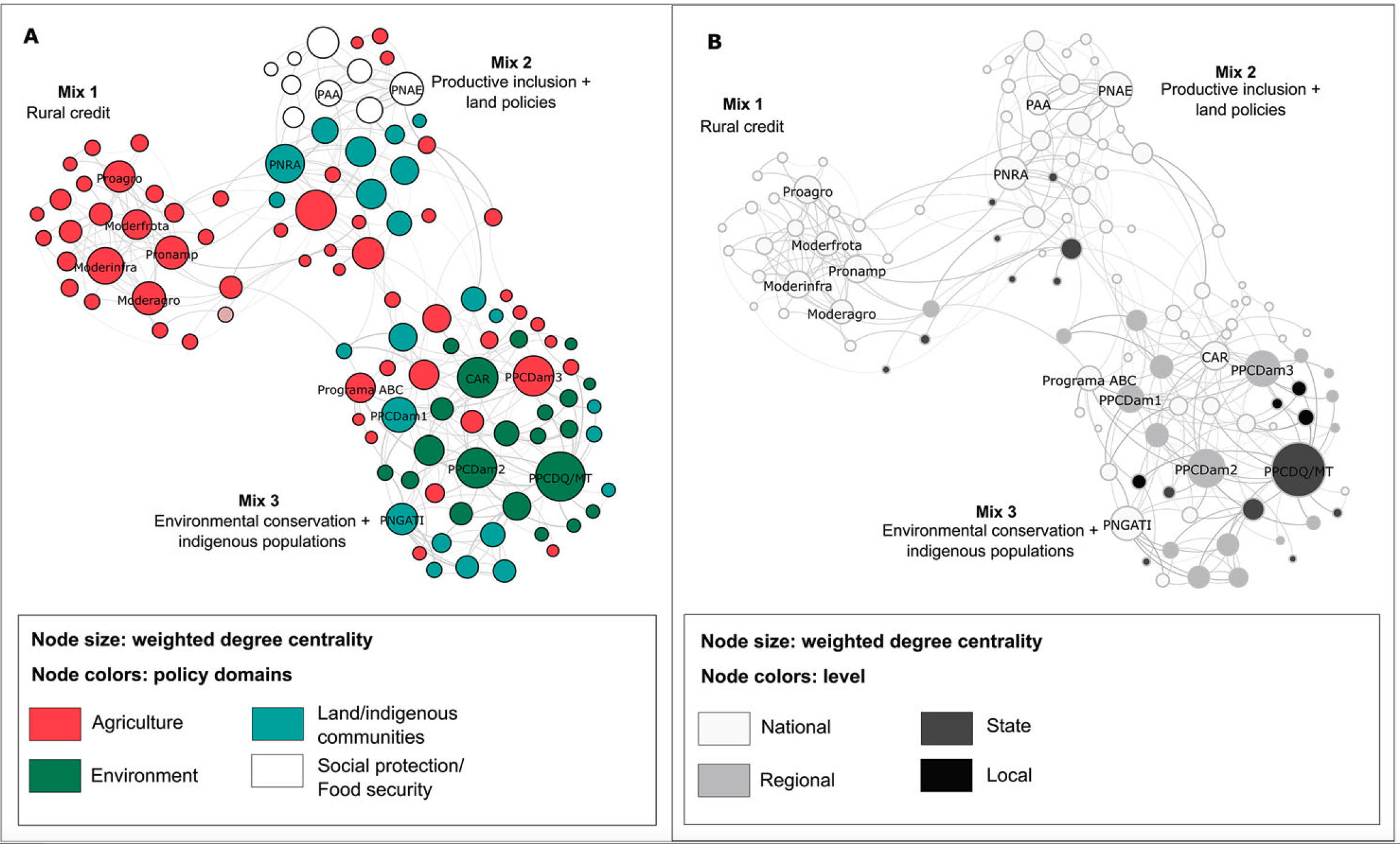

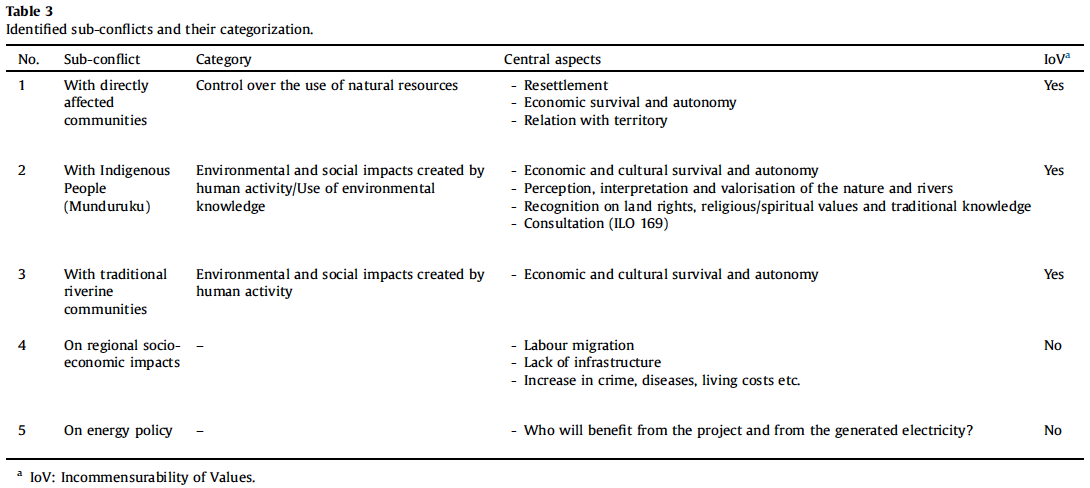
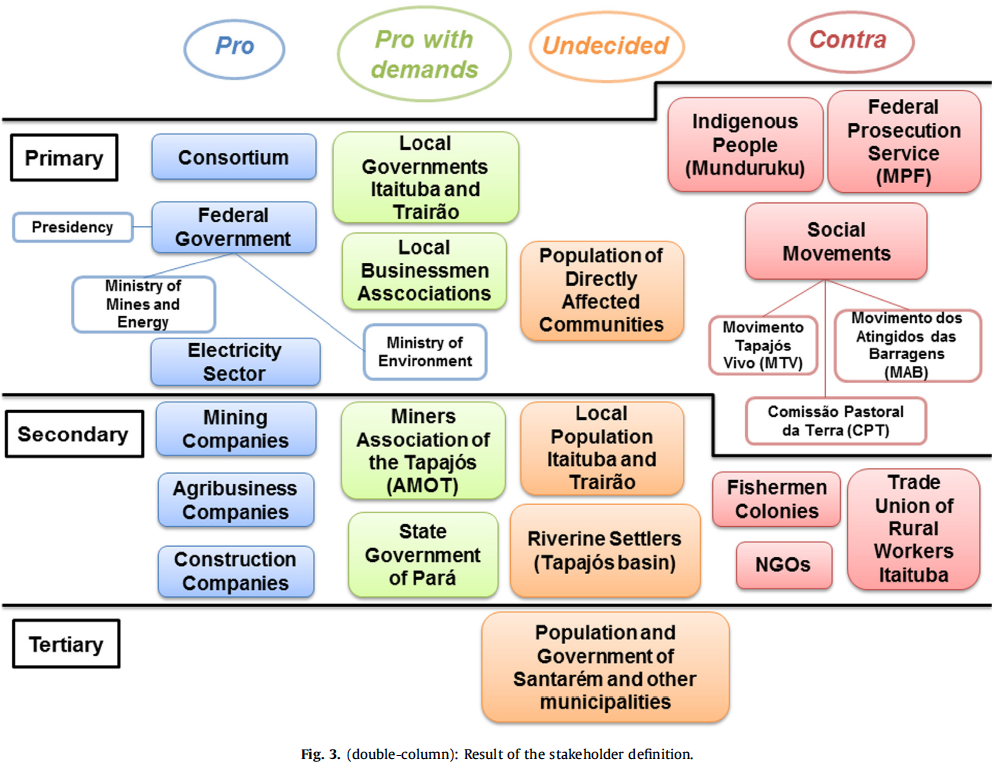








 The Multifaceted Market Researcher